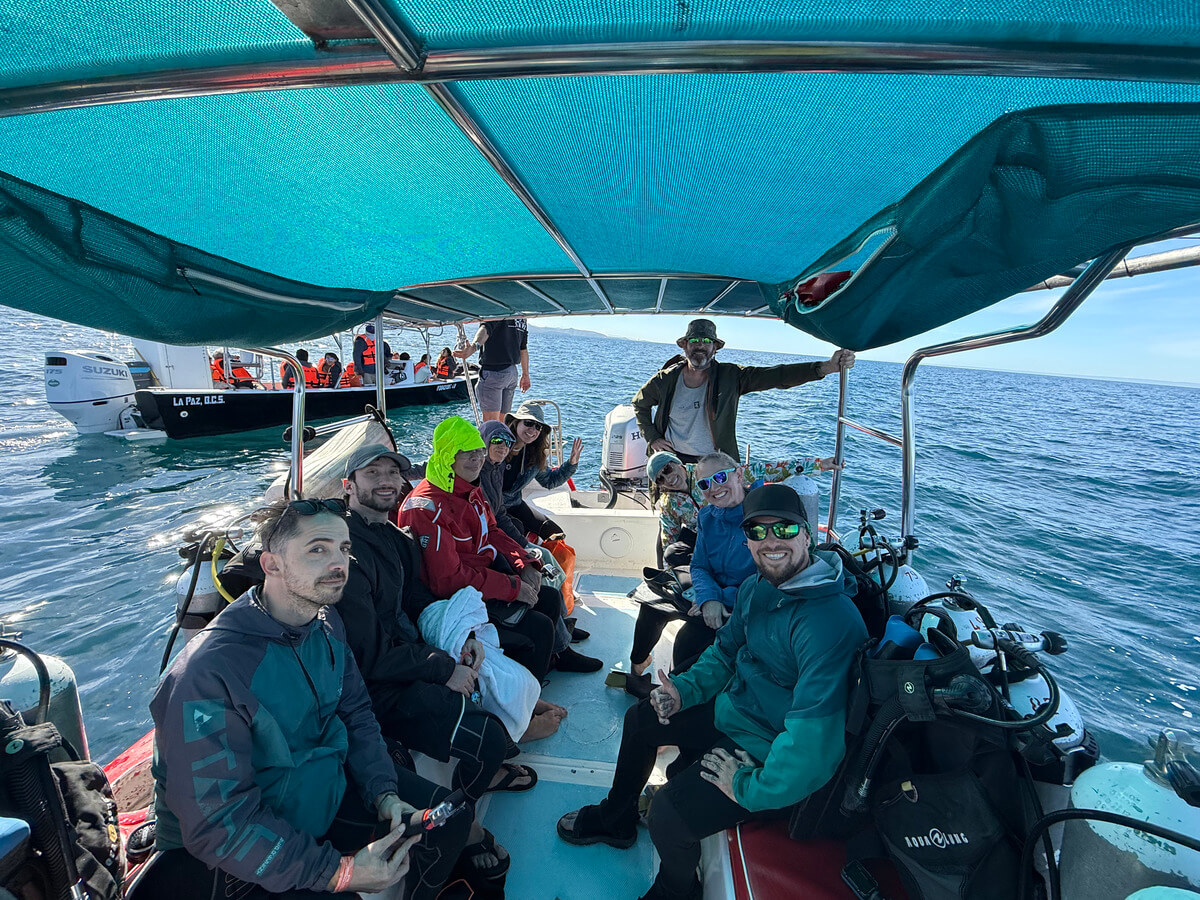
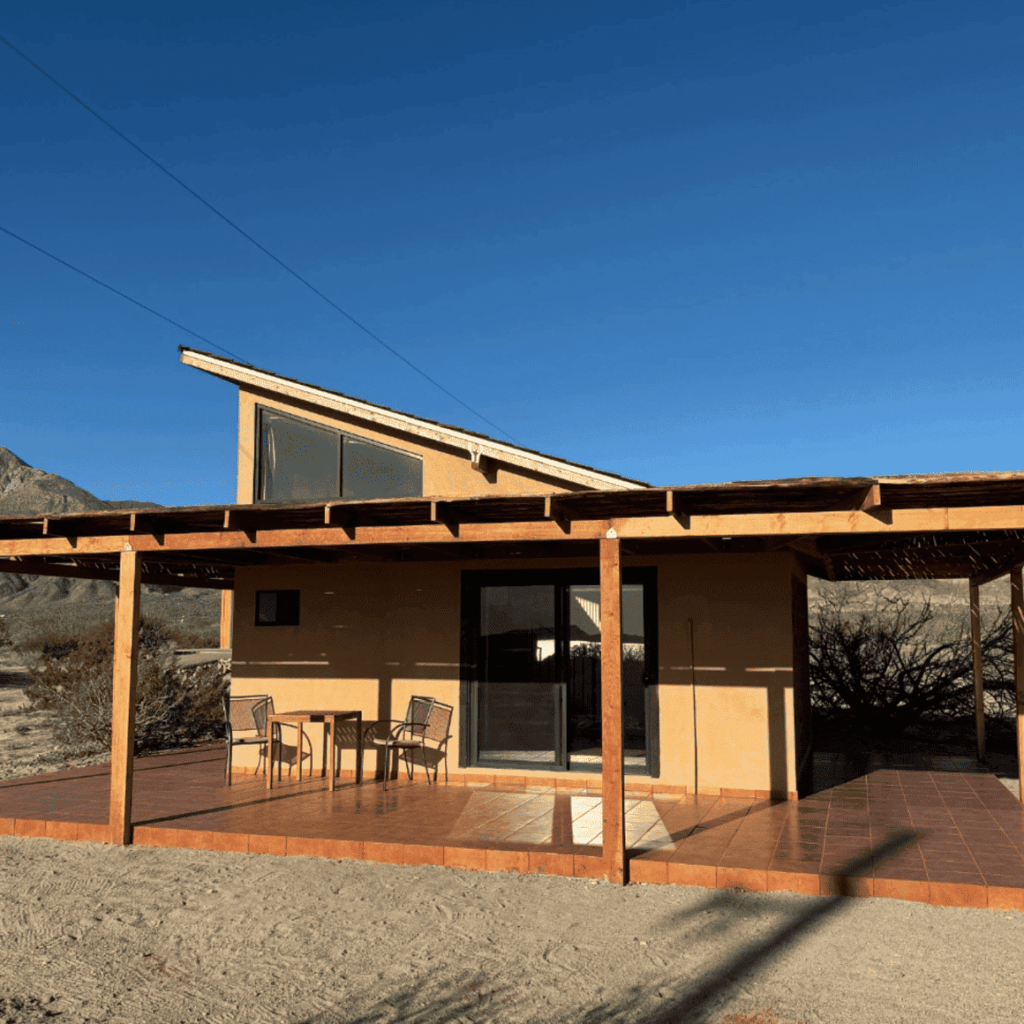
- 5 nights boutique/eco accommodation
- 3 gray whale excursions (Optional fourth additional at extra charge)
- 2 full-day Sea of Cortez safaris
- Round-trip private transport to and from Loreto
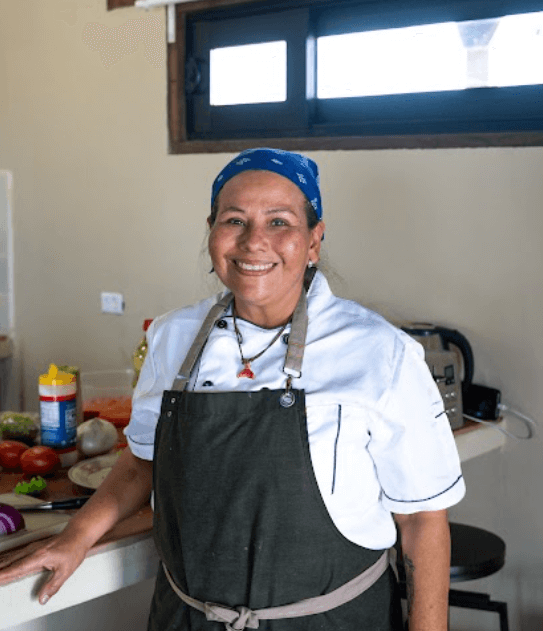
- Meals prepared by private professional Mexican chef
- Experienced bilingual guides
- Educational talks and workshops
- Bonfire by the Sea
- Tips from us to the boat captains
- Round-trip private transport to and from Loreto
Itinerary
Your Baja adventure begins with an early start as leave Lerato and hit the road upon a scenic desert road trip that sets the tone for the magic ahead. We’ll collect you from your hotel, then board our private shuttle and head north across the vast and wild landscapes of Baja California.
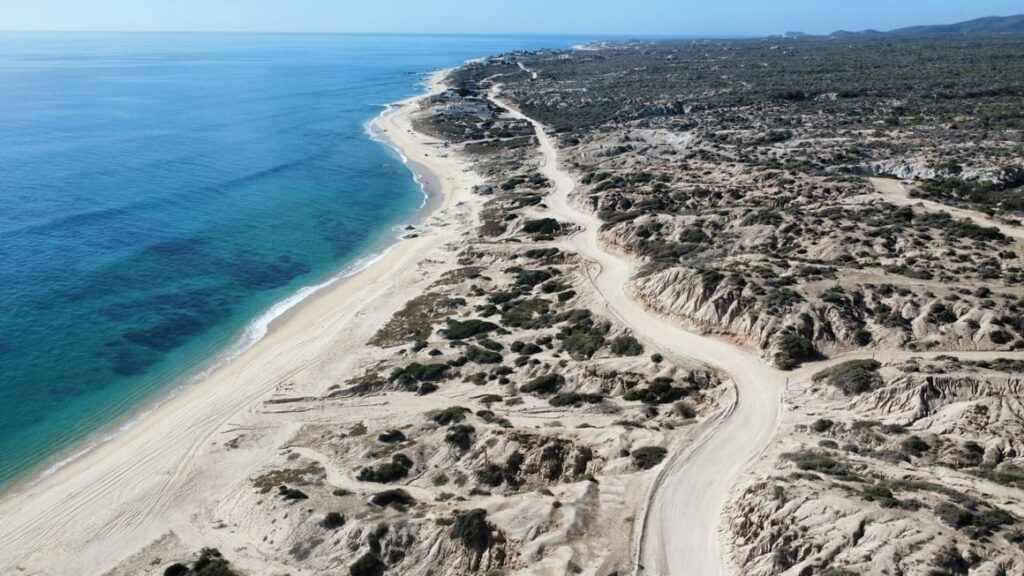
The drive unfolds with towering cacti dotting the horizon, jagged mountains shifting in the distance, and glimpses of the Sea of Cortez sparkling alongside us. Sink into the rhythm of Baja, and soak up the raw, untamed beauty of this peninsula. We will stop once to stretch your legs on a gorgeous beach, and another time for lunch in a local restaurant.
Our destination is the fabled and magical Bahia Los Angeles.
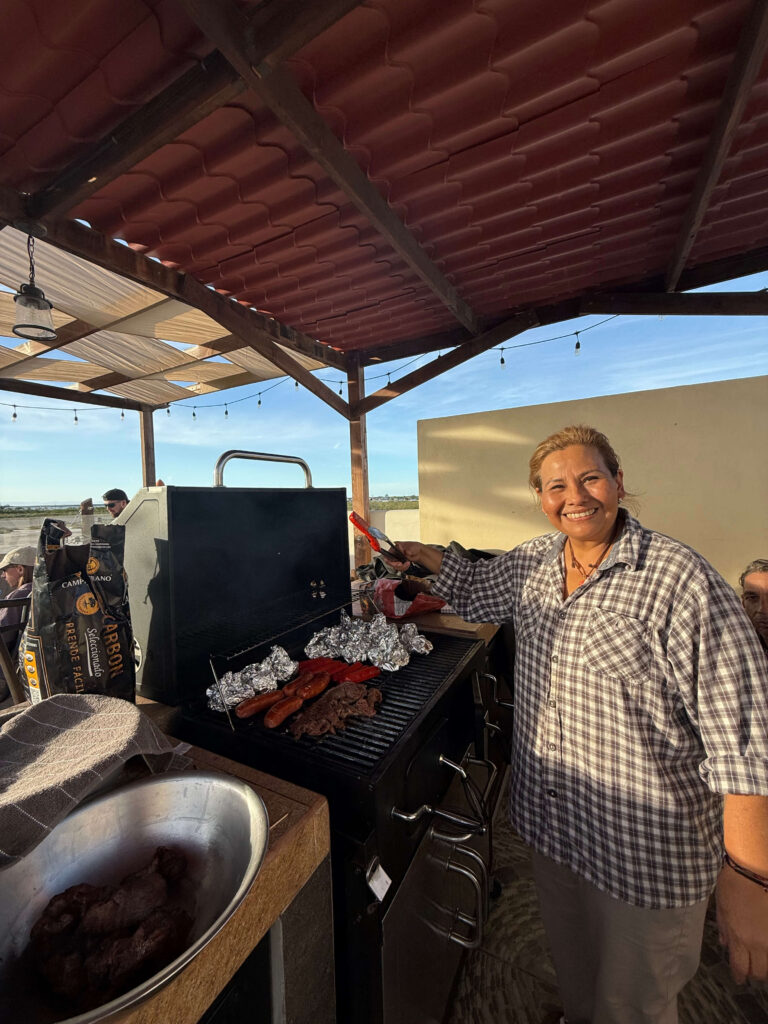
We settle into camp, exhale, and gather for a welcome dinner prepared by Norma. As the sun sets over the bay, we open the circle and begin the expedition together. Our family-team will introduce ourselves and give a short presentation on what we may see upon the morrow.
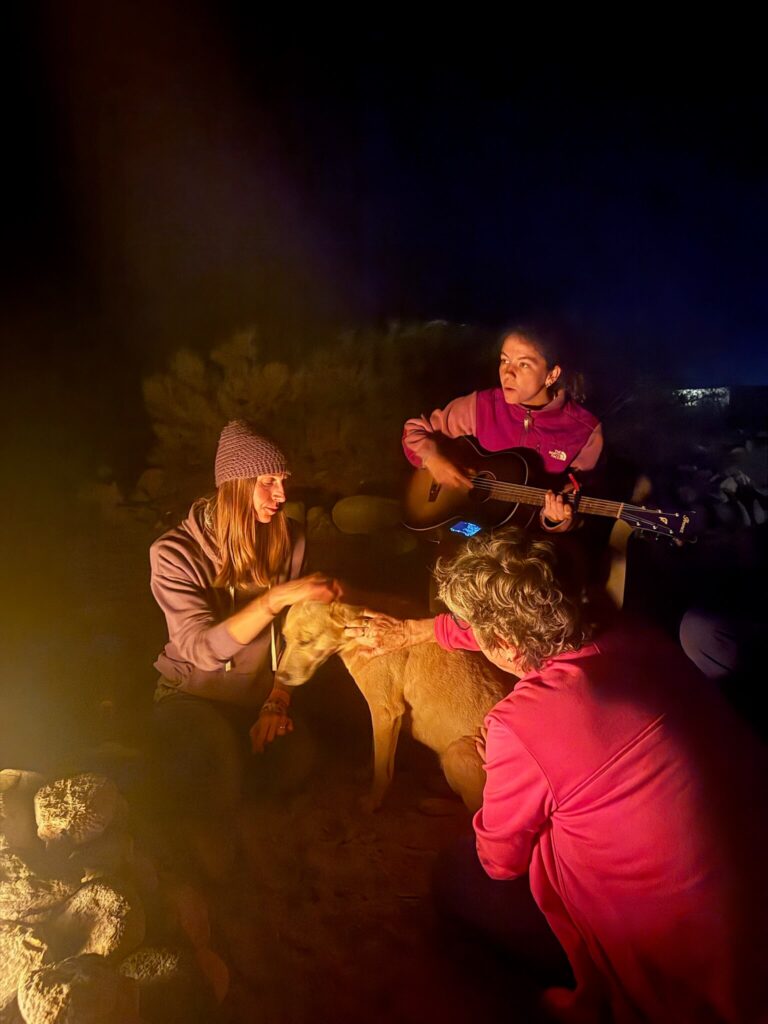
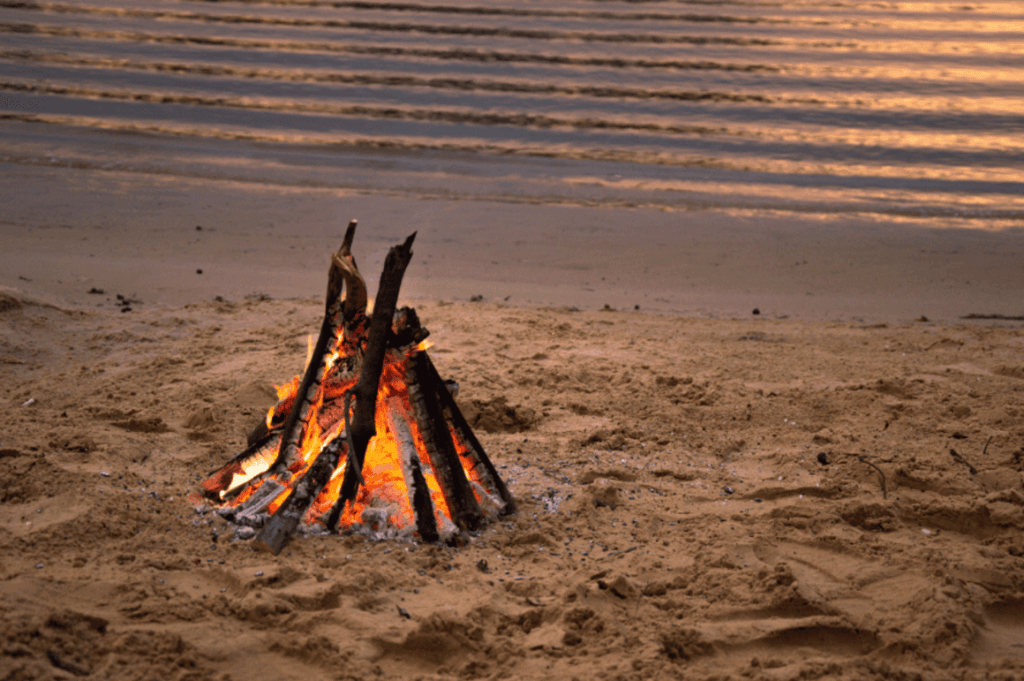
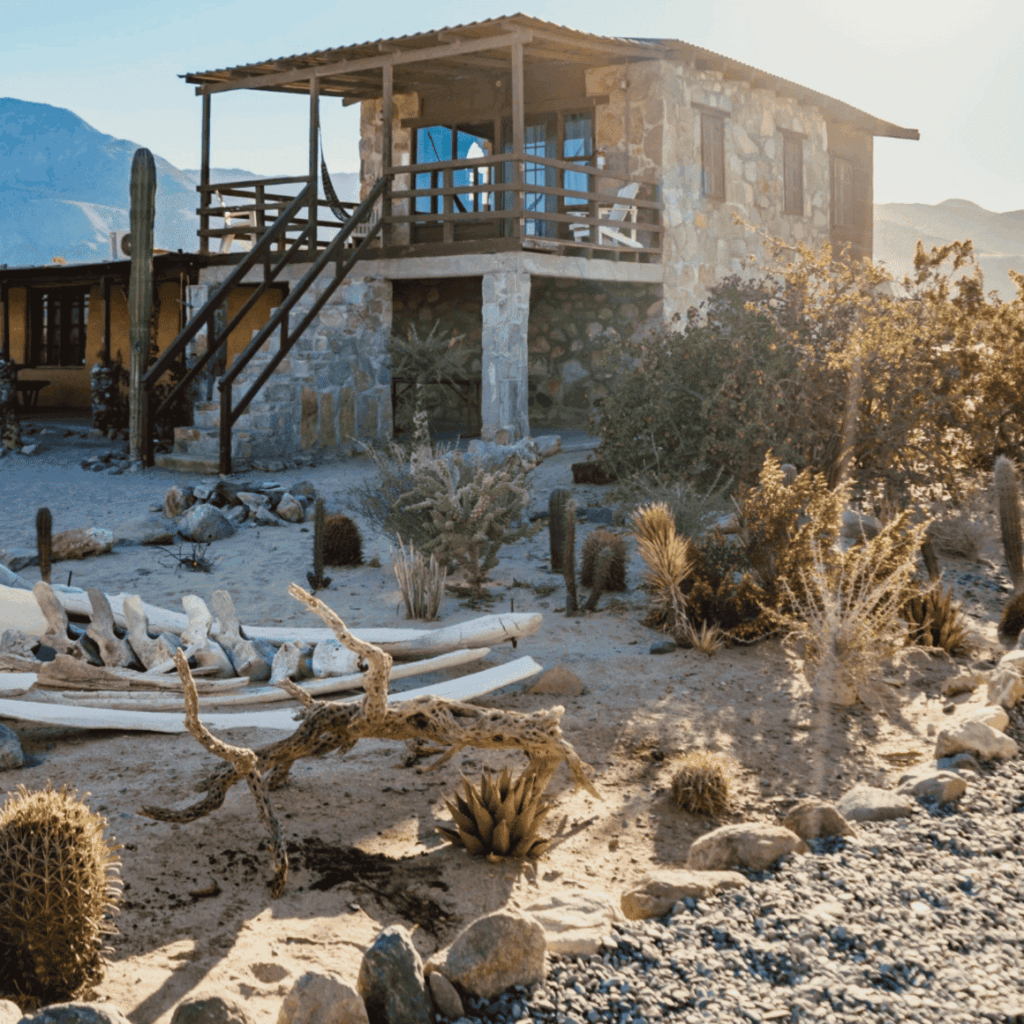
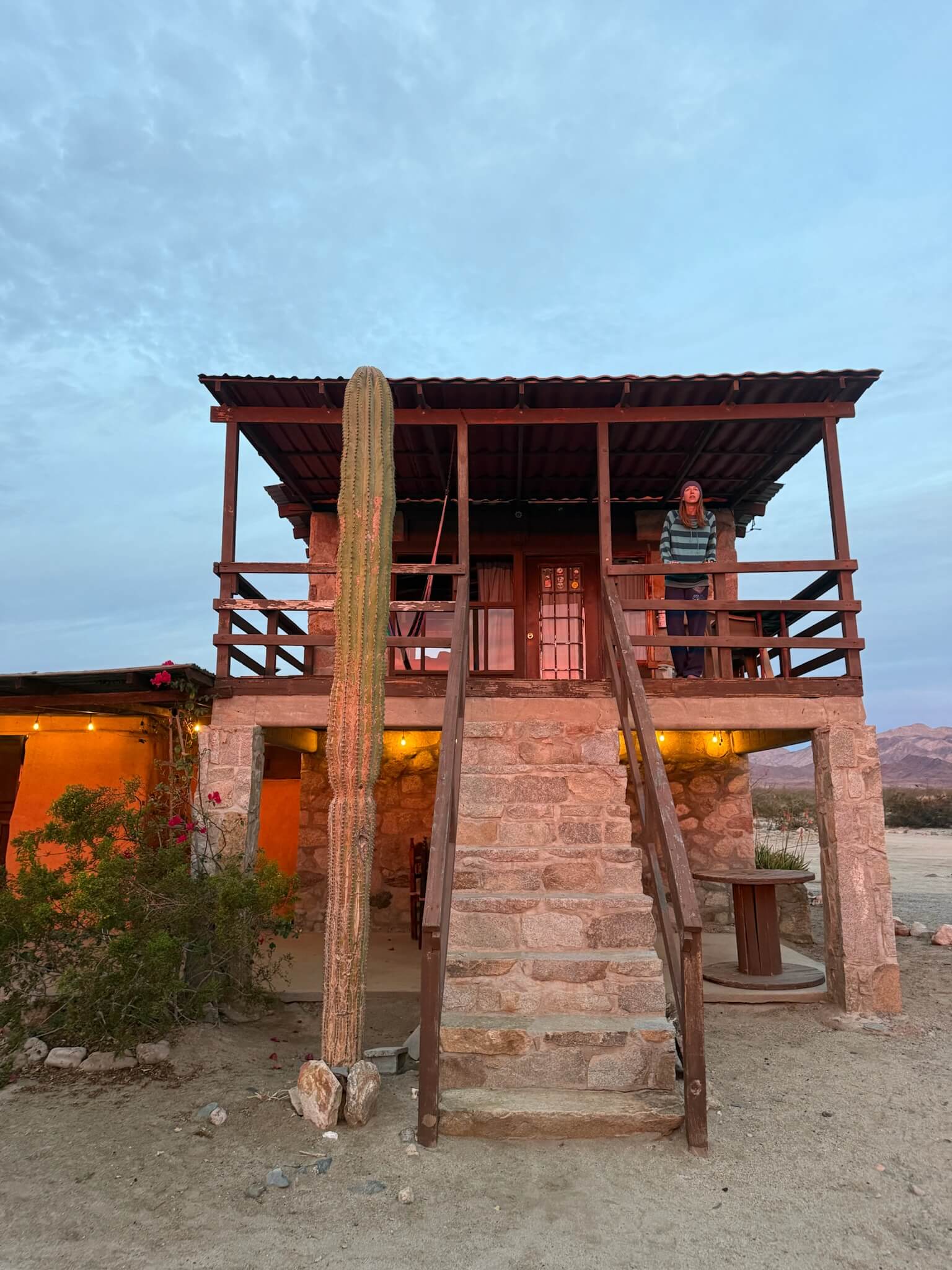
We’ll share our first campfire on the beach together and swap favourite whale facts before retiring to our comfortable rooms. Our accommodation here is really special and you will be able to walk along the beach, catch spectacular sunrises and hear the ocean from your room as you drift to sleep.
Dinner
Day 02 & 03 :
Sea of Cortez Ocean Expeditions
There is nothing quite like waking up in Bahía de los Ángeles. The sky ignites in layers of pink, orange, and gold and sometimes dolphins play right in the shallows in front of our accomodation. If you’re an early riser, head down to the beach around 5:30 am to watch the sunrise spill across the bay.
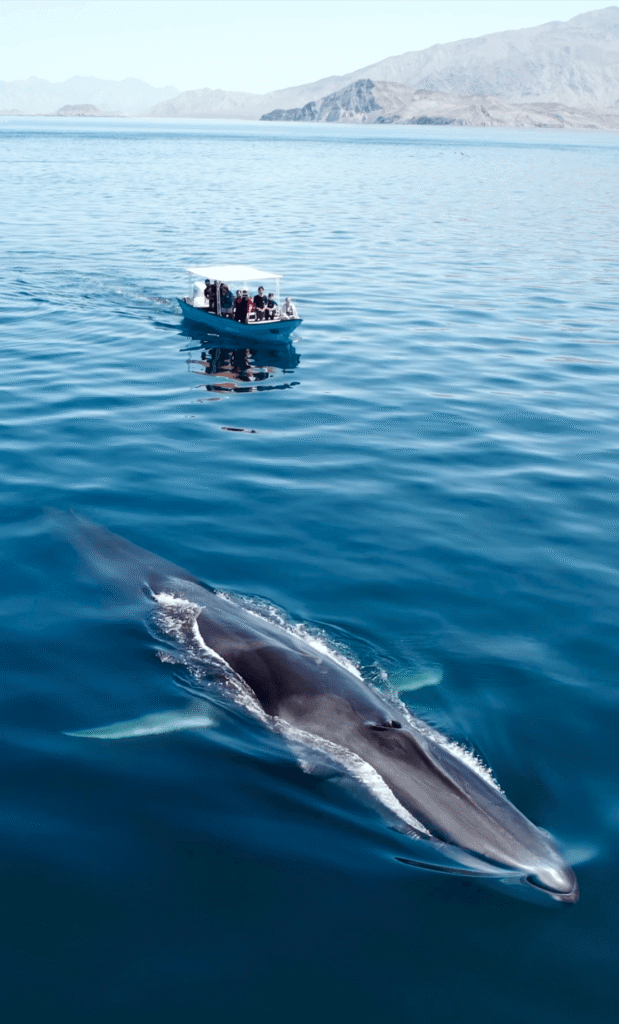
These two days are full day ocean expeditions in the Sea of Cortez, one of the most biodiverse marine environments on Earth and where we hope to glimpse much marine life, both elusive and common.
We will spend 5 to 6 hours on the water each day searching for wildlife. This region is known for:
-Fin whales, the second largest animals on Earth, reaching up to 80 feet long.
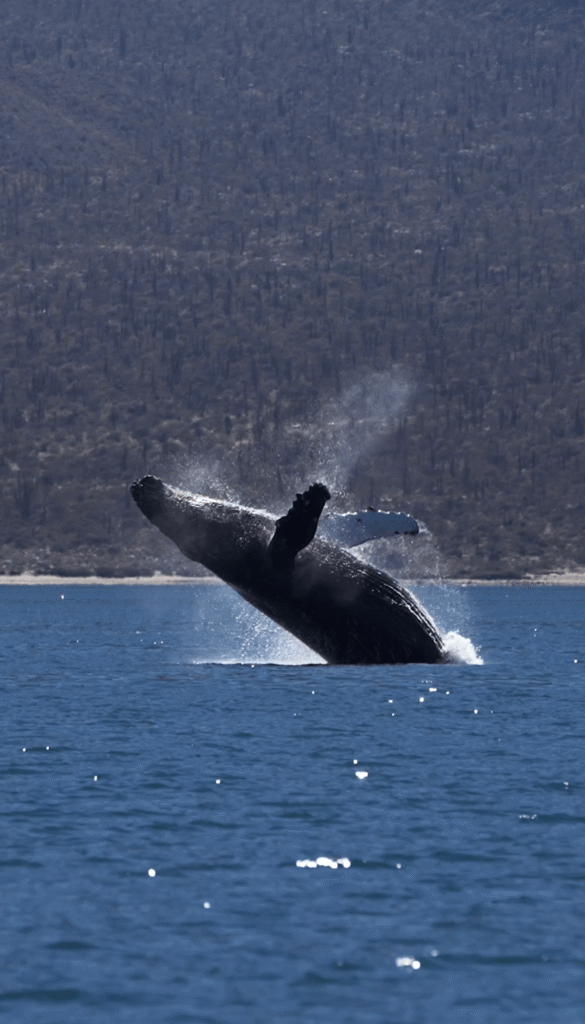
-Humpback whales, acrobatic and expressive, breaching and tail slapping behaviour is common.
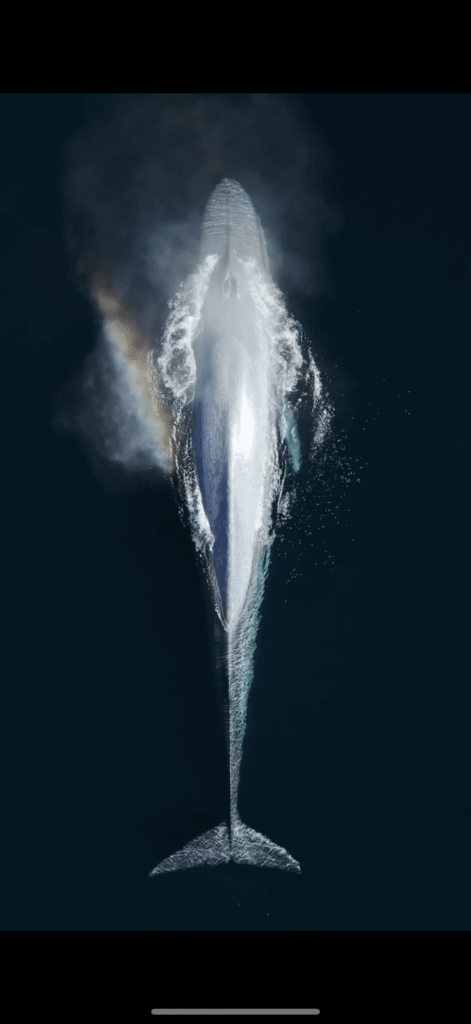
-Possible sightings of Bryde’s whales, sperm whales, or even the rare blue whale
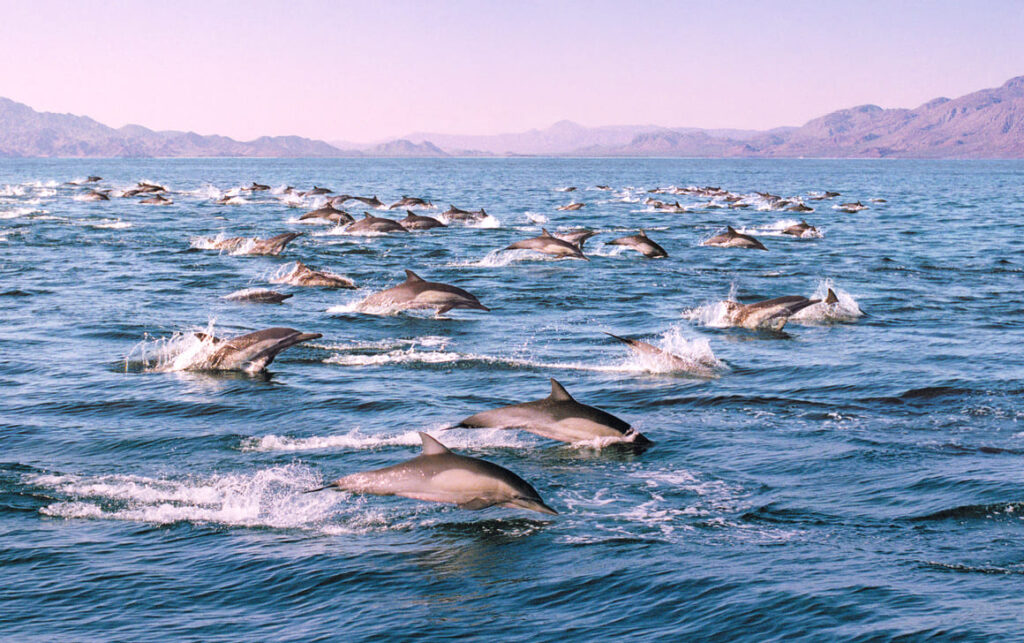
If conditions allow, we may snorkel with sea lions at a nearby rookery where they swirl and dart through the water with playful curiosity. If we’re lucky, pods of common and bottlenose dolphins will ride the wake of our boats.
Afternoons are for rest, beach walks, swimming, journaling, or simply digesting both the food and the magic.
Evenings bring sunset dinners, community time, and Baja’s star filled skies. Around the table is where stories unfold, friendships deepen, and the family atmosphere truly comes alive.
Optional add on: A cooking class with Norma where you will learn to prepare authentic Mexican dishes from scratch.
- Possible sightings of Bryde’s whales, sperm whales, or even the elusive blue whale
Breakfast, Lunch, Dinner
In the morning we have an early start to begin our 2.5 hour desert journey across the peninsula to Guerrero Negro. Vast plains, migrating birds, salt air drifting in from the Pacific side.
We arrive in time for our first boat trip into Laguna Ojo de Liebre around midday.
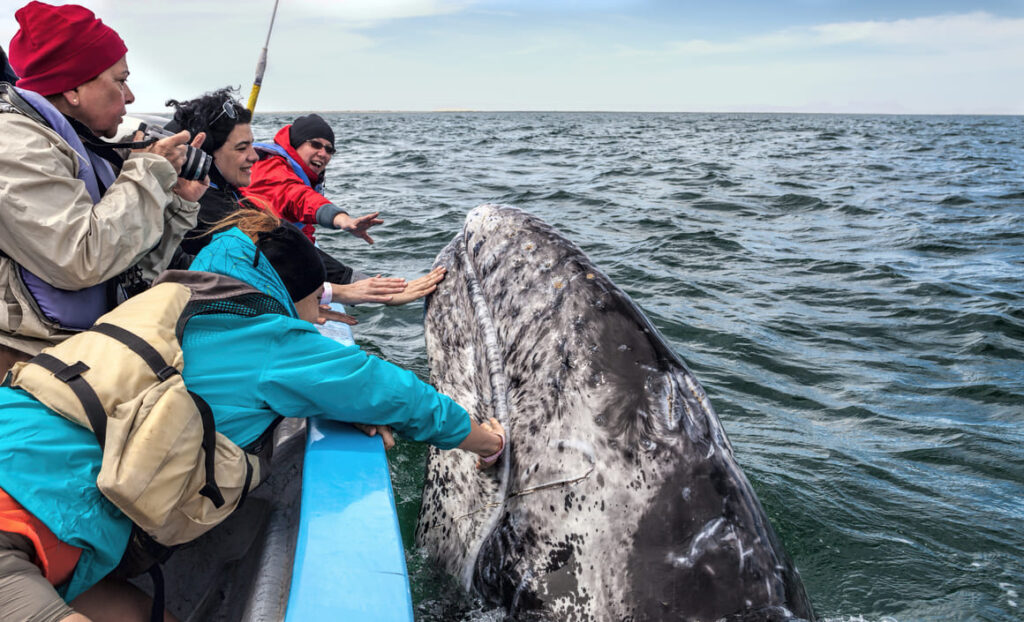
This protected lagoon is a gray whale sanctuary where hundreds gather each winter after migrating from the Arctic to give birth and nurse their calves.
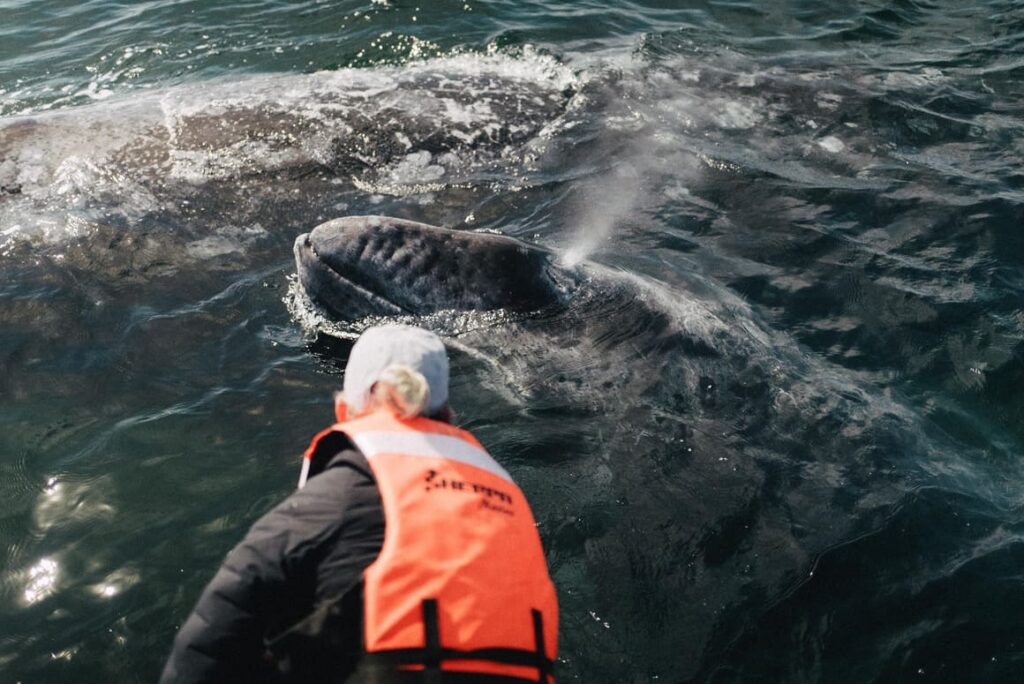
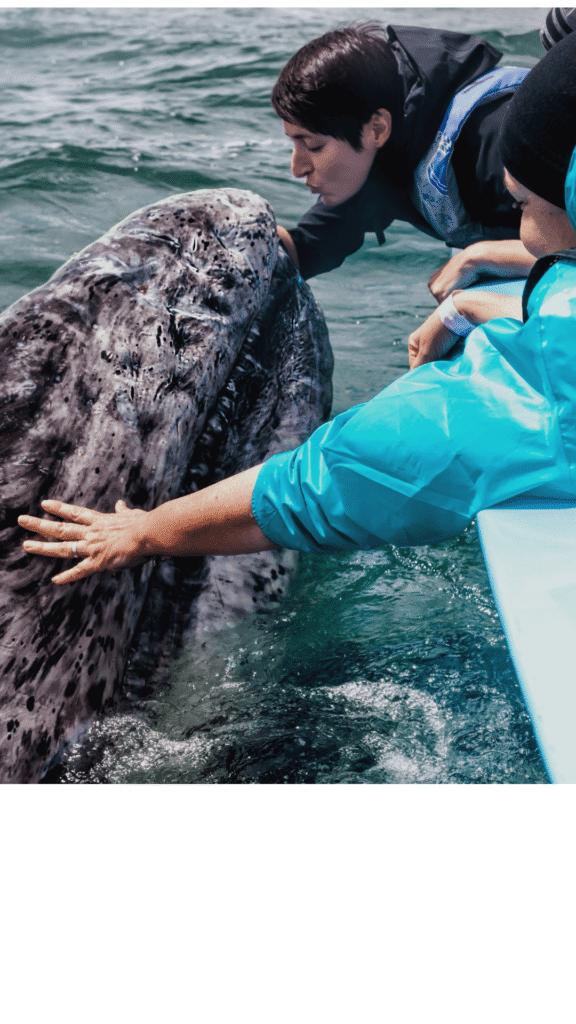
Unlike anywhere else in the world, gray whales here often approach boats voluntarily. Curious. Calm. Playful. Mothers sometimes lift their calves toward boats for a closer look. Some whales come close enough for eye contact and occasionally even a stroke or gentle touch.
These moments are always whale initiated and deeply humbling. Many of our guests have cried upon having these experiences, at it was the same for us as well the first time!
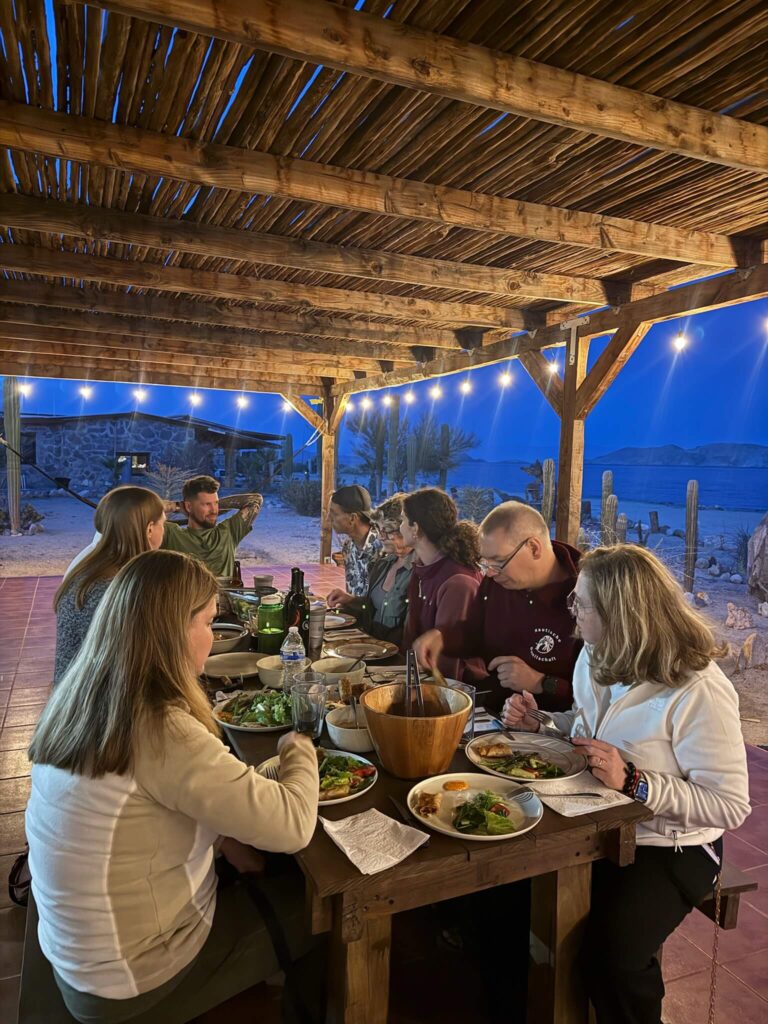
After the boat trip, we return to our group house where Norma will have prepared a beautiful meal waiting for us.
There will be some free time in the afternoon to explore the local town which has a gym, coffee-shop, a truly incredible taco spot, and an artisan's art workshop a short walk away.
In the evening, over dinner, we’ll have an optional talk on gray whales so you can learn more about their behaviour before we get back out on the water tomorrow.
Breakfast, Dinner
DAY 05 :
Gray Whale Magic
Today we fully immerse in the lagoon.
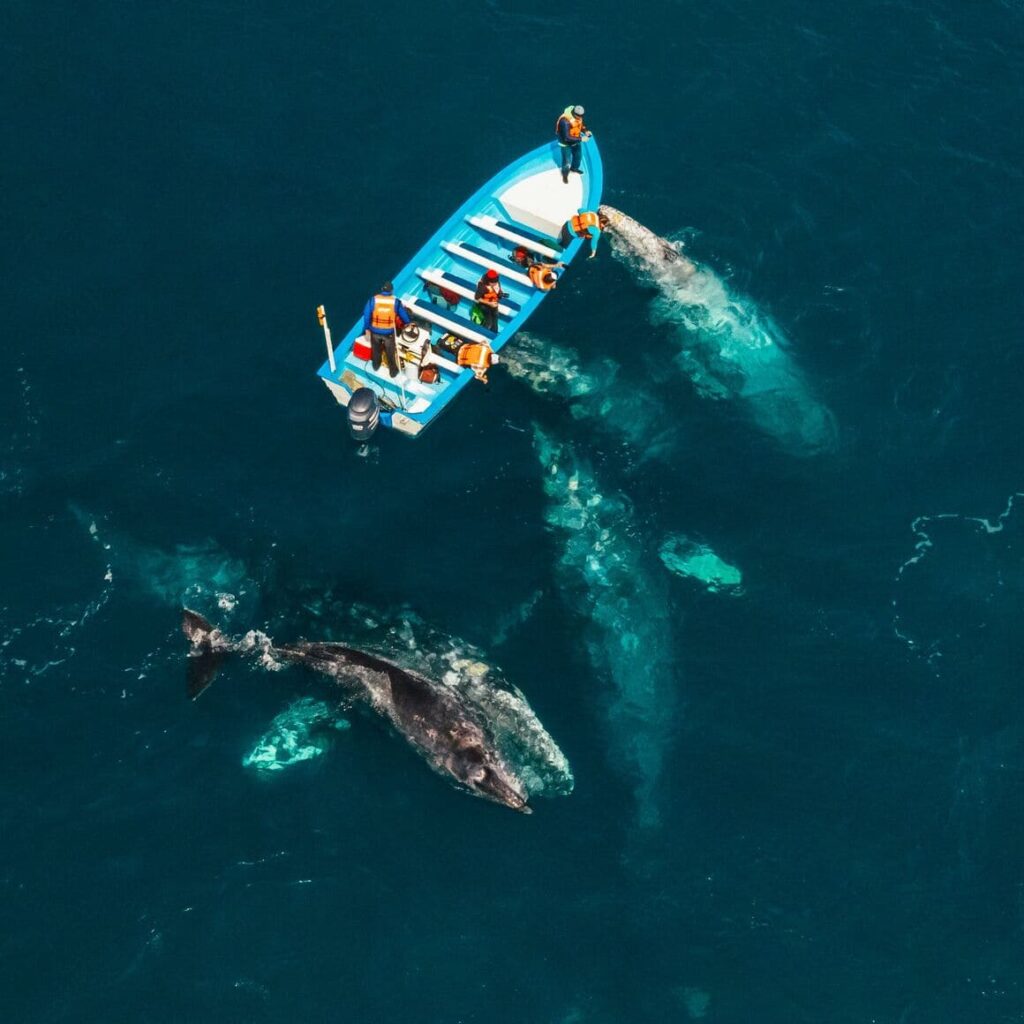
After a warm breakfast prepared by Norma, we head out for two separate boat trips, each lasting approximately two to three hours.
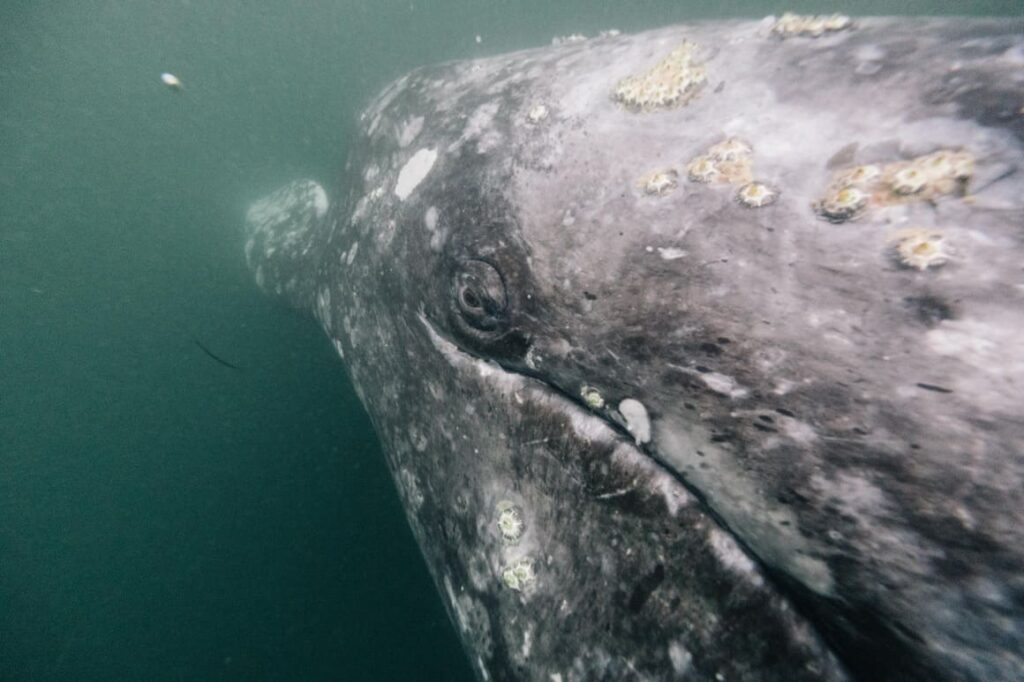
Each encounter is different. One may bring a curious calf circling the boat. Another may offer a powerful whale gliding just beneath the surface.
In the afternoon, we gather for an optional creative whale necklace workshop with a local artisan, crafting a small keepsake to remember our time in the lagoon.
In the evening, we'll recount the highs and laughs from our time together and and enjoy another delicious mystery Mexican meal. Maybe fresh ceviche, maybe mole, maybe enchiladas…
Breakfast, Dinner
For those who want one final lagoon moment, there will be an optional early morning gray whale boat trip available at additional cost.
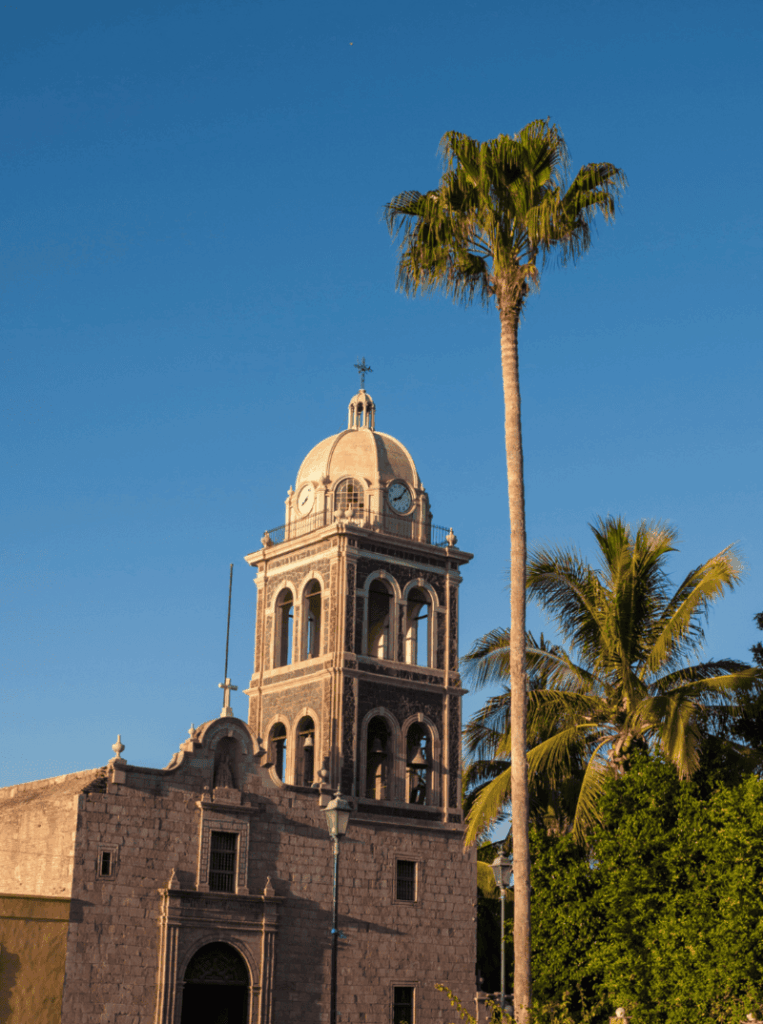
After breakfast, we pack up and begin the scenic drive back to Loreto. Desert mountains and cactus forests unfolding around us.
We stop for lunch along the way before arriving in Loreto sometime around 4pm.
Drop offs at your chosen hotel in Loreto.
But the ocean magic, the whales, the friendships, and the flavors of Norma’s kitchen travel home with you!
Breakfast
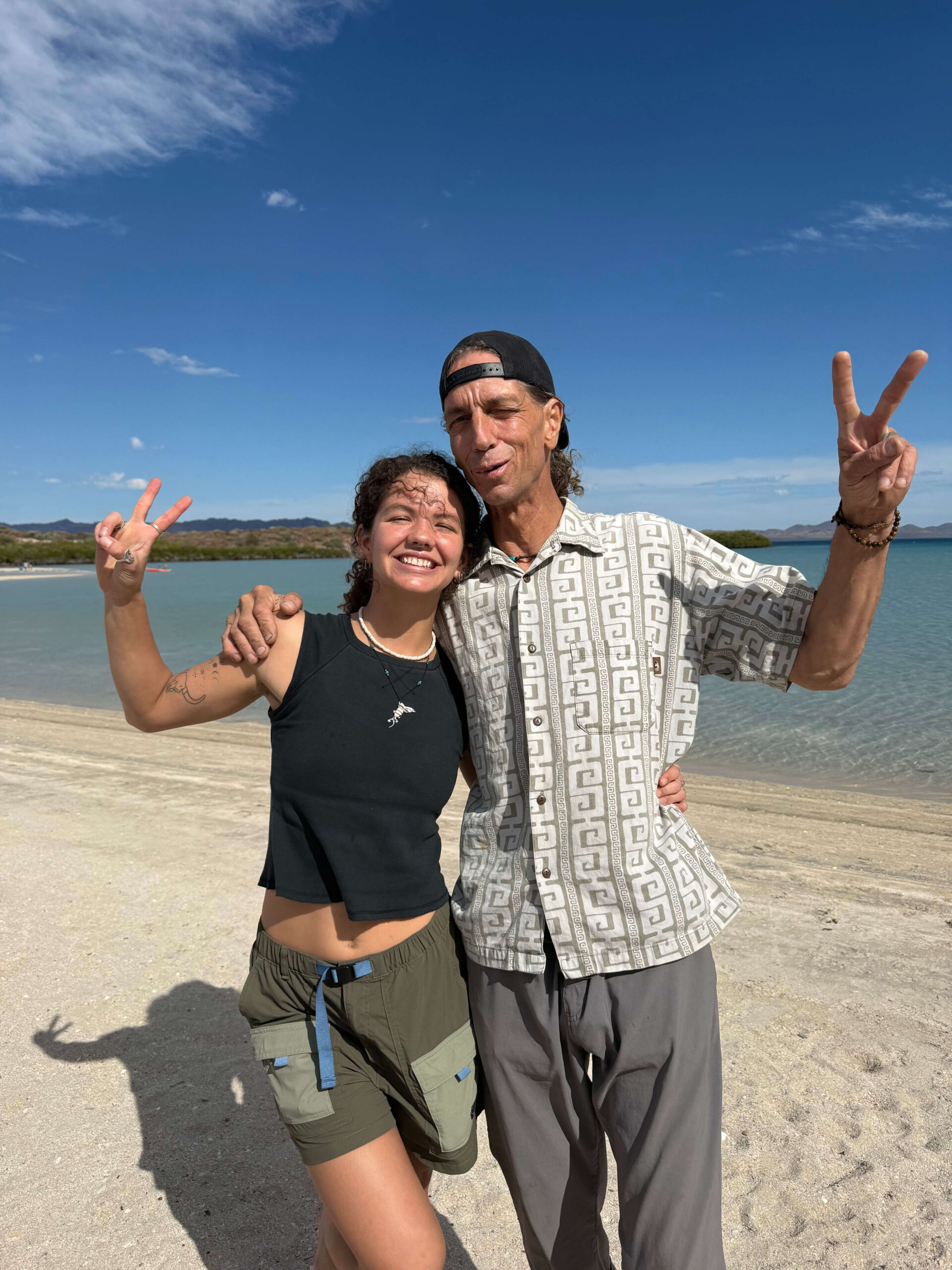
What an awesome week with this family-run expedition outfit!! Will and Audy researched all our experiences meticulously before this Baja Retreat, and it showed! Every activity was incredible, from snorkeling with whale sharks, to diving with sea lions, to a brilliantly narrated humpback whale encounter, all the operators and their equipment and processes were carefully vetted so we could just enjoy the natural splendor of Baja’s marine life.
The in-between times were also fantastic, with simple but beautiful lodging and home-cooked, family style meals that were mouthwateringly good!! Give this family and their new company a try. They might change the way you think about how you’re spending your life! We will definitely return for more as soon as we can!!
The in-between times were also fantastic, with simple but beautiful lodging and home-cooked, family style meals that were mouthwateringly good!! Give this family and their new company a try. They might change the way you think about how you’re spending your life! We will definitely return for more as soon as we can!!
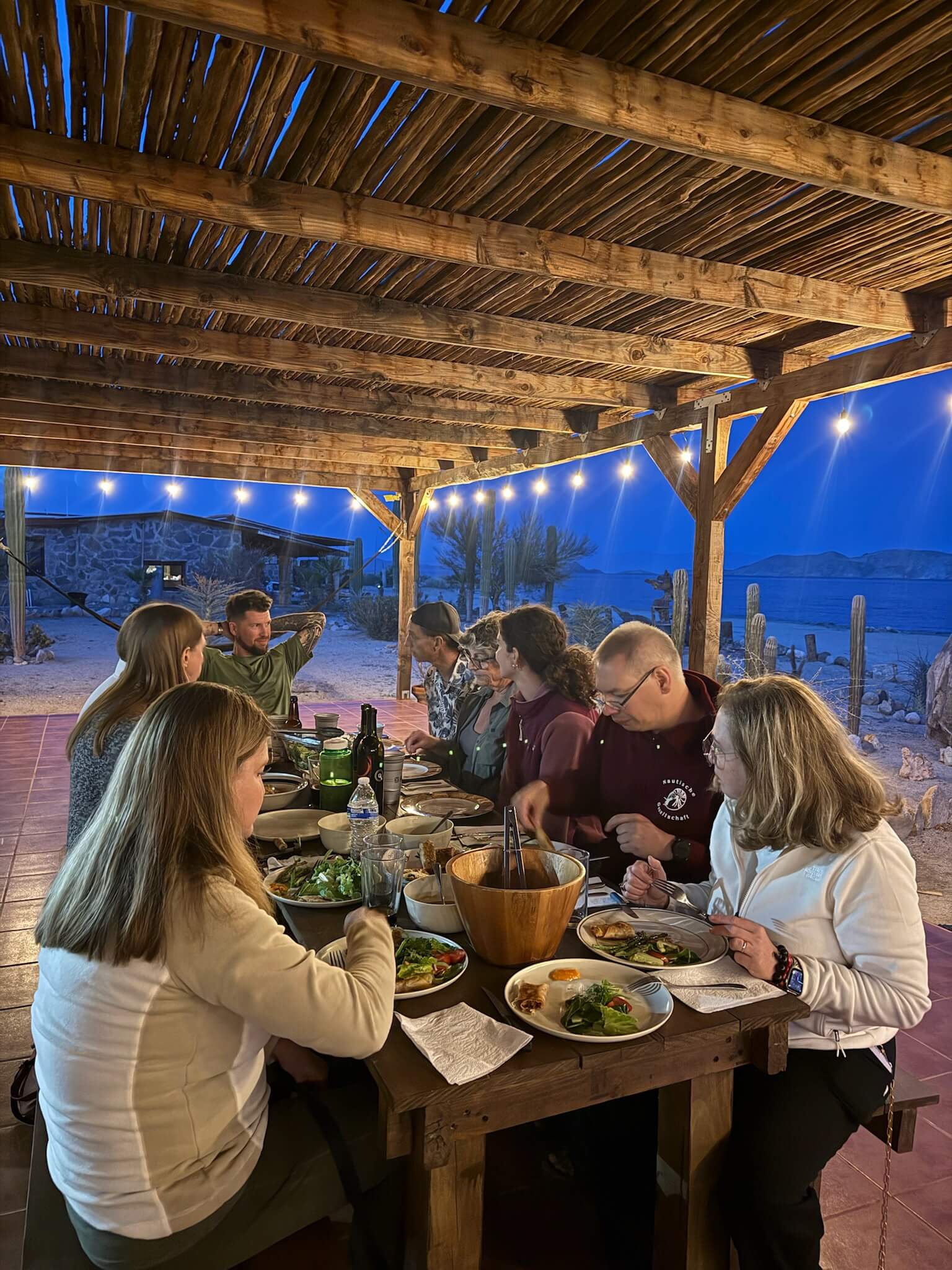
From the very beginning, what set this journey apart was the warmth and care of the family-run operation. You immediately feel welcomed. The personal attention throughout the week made the experience feel intimate, relaxed, and deeply authentic. The home-cooked meals were outstanding - fresh, nourishing, and prepared with love. Sitting down together after a day on the water, sharing delicious food and stories, added a beautiful sense of community.
The scenery was breathtaking at every turn: vast desert landscapes meeting the sea, dramatic coastlines, and the pristine beauty of Baja at its best. This expedition was the perfect blend of nature, comfort, authenticity, and awe. It exceeded every expectation and left us with lifelong memories. If you’re looking for a truly special, heart-centered whale experience in Baja, this is it.
The scenery was breathtaking at every turn: vast desert landscapes meeting the sea, dramatic coastlines, and the pristine beauty of Baja at its best. This expedition was the perfect blend of nature, comfort, authenticity, and awe. It exceeded every expectation and left us with lifelong memories. If you’re looking for a truly special, heart-centered whale experience in Baja, this is it.
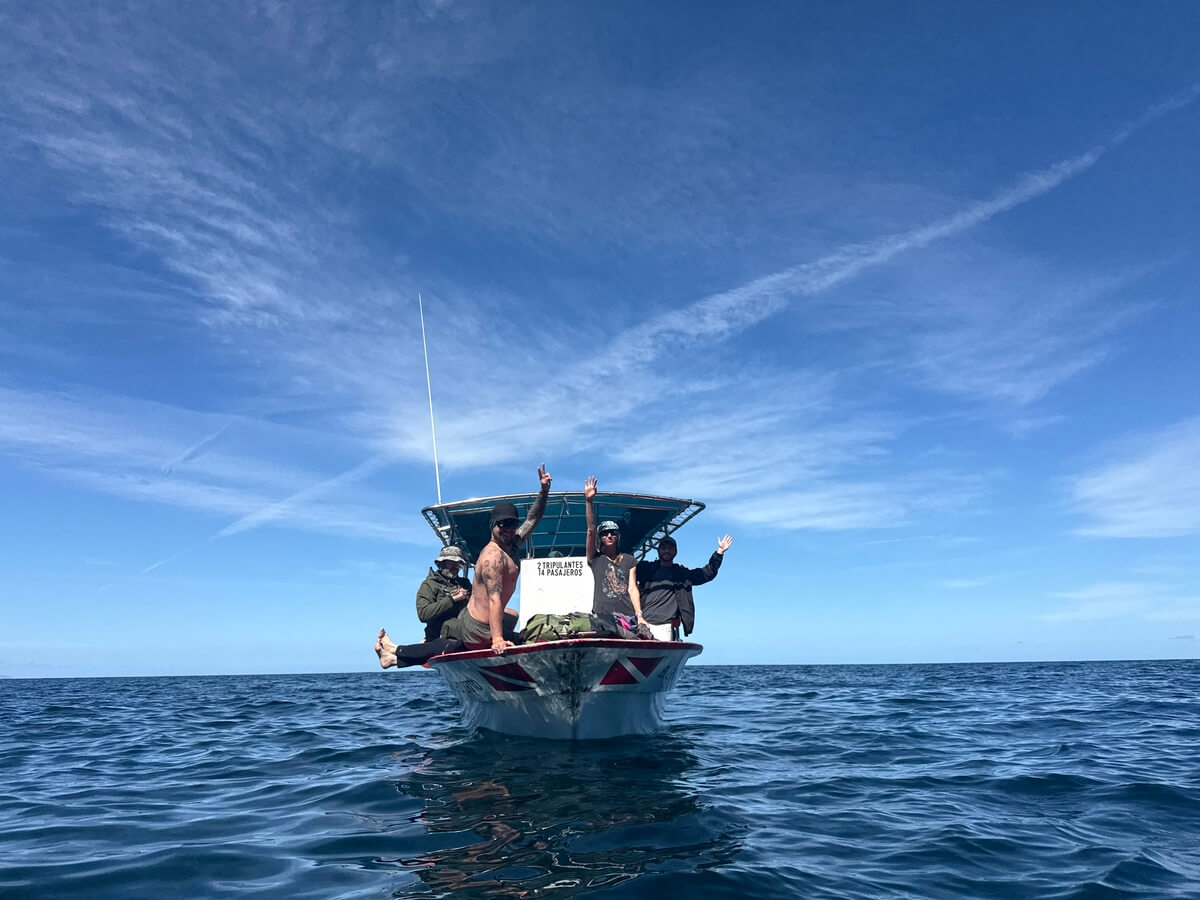
Just completed one of the most amazing experiences of my life. Will and Audy kept us organized, Andry drove and Norma made the best homemade meals I have ever had.
Honest had no idea what to expect. I wanted to get away, be with a small group of people and connect with nature
The nicest people, the best food, an education, the joy, the beach fire, the guitars and the most amazing experience EVER
Trust your time and travel dollars to @elsewheria
Honest had no idea what to expect. I wanted to get away, be with a small group of people and connect with nature
The nicest people, the best food, an education, the joy, the beach fire, the guitars and the most amazing experience EVER
Trust your time and travel dollars to @elsewheria
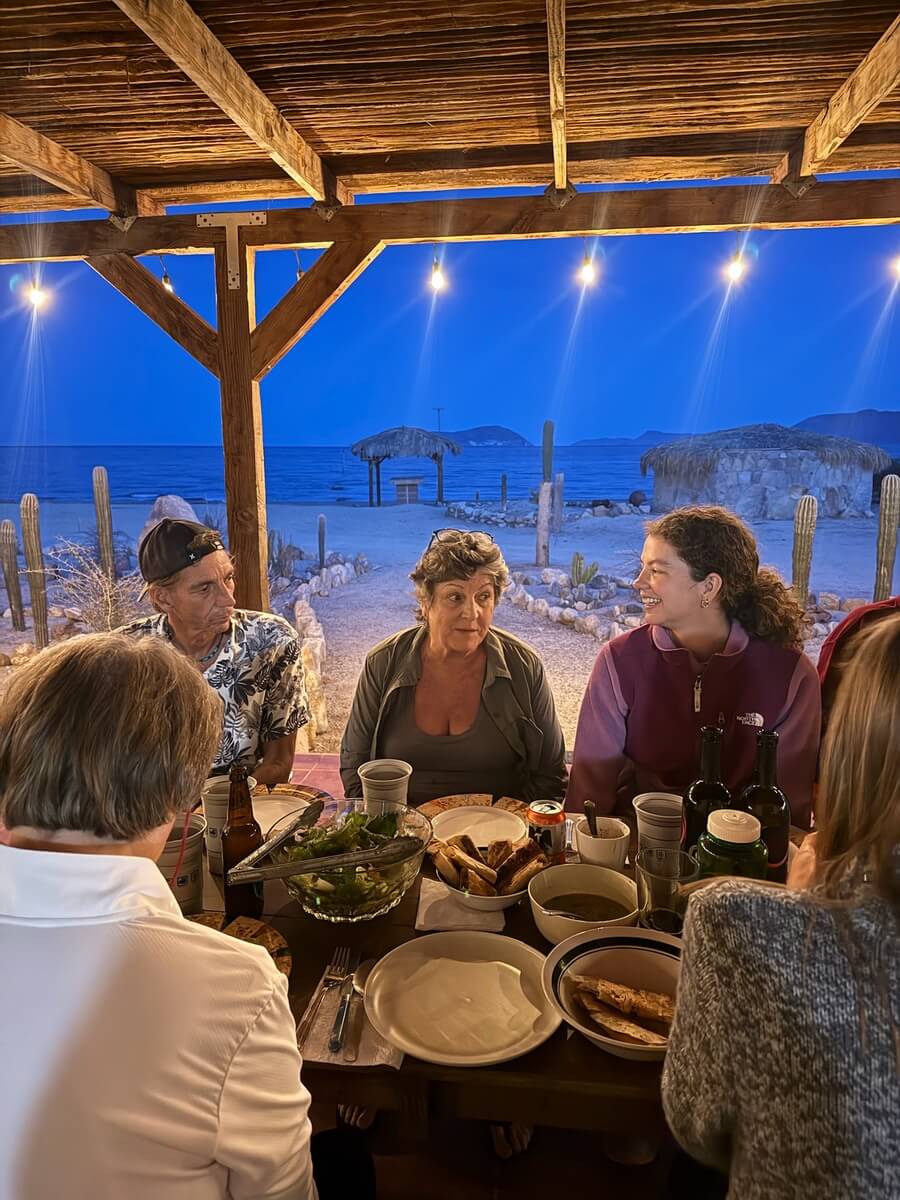
My time with Elsewheria was nothing short of fantastic. I’m normally a broke solo traveler who always finds a way to bite off more than he can chew, so the idea of a guided Elsewheria trip felt foreign and like an out-of-reach luxury, but I’m glad I tried something new.
From the very beginning, Will, Audy, and the team were honest, upfront, and very communicative in response to my initial reach-out messages before I even booked the trip. If you have any questions or concerns, reach out! They responded quickly, made me feel heard, and they will do the same for you.
My trip with Elsewheria focused on touring Baja California, and the amount of unique and fulfilling experiences I got to have was incredible. But I wouldn’t have been able to take in nearly as many moments from this trip if it wasn’t for the work the team put in around the clock to accommodate me and roughly 10 others. The team was quick to adapt to any challenges that popped up. They solved them quickly and communicated efficiently if anything affected us. I was personally checked in on to see how I was doing and if I needed anything. I still owe Will for that clutch electrolyte powder he shared with me, and thanks again to Audy for sharing your own personal towel to keep me from freezing on that chilly morning on the boat.
I can wholeheartedly give Elsewheria a resounding recommendation to anyone who wants a travel experience like no other. They’ve been around the globe a few times and then some, and it shows in how rich, exciting, and memorable this experience was. Elsewheria is the real deal.
From the very beginning, Will, Audy, and the team were honest, upfront, and very communicative in response to my initial reach-out messages before I even booked the trip. If you have any questions or concerns, reach out! They responded quickly, made me feel heard, and they will do the same for you.
My trip with Elsewheria focused on touring Baja California, and the amount of unique and fulfilling experiences I got to have was incredible. But I wouldn’t have been able to take in nearly as many moments from this trip if it wasn’t for the work the team put in around the clock to accommodate me and roughly 10 others. The team was quick to adapt to any challenges that popped up. They solved them quickly and communicated efficiently if anything affected us. I was personally checked in on to see how I was doing and if I needed anything. I still owe Will for that clutch electrolyte powder he shared with me, and thanks again to Audy for sharing your own personal towel to keep me from freezing on that chilly morning on the boat.
I can wholeheartedly give Elsewheria a resounding recommendation to anyone who wants a travel experience like no other. They’ve been around the globe a few times and then some, and it shows in how rich, exciting, and memorable this experience was. Elsewheria is the real deal.
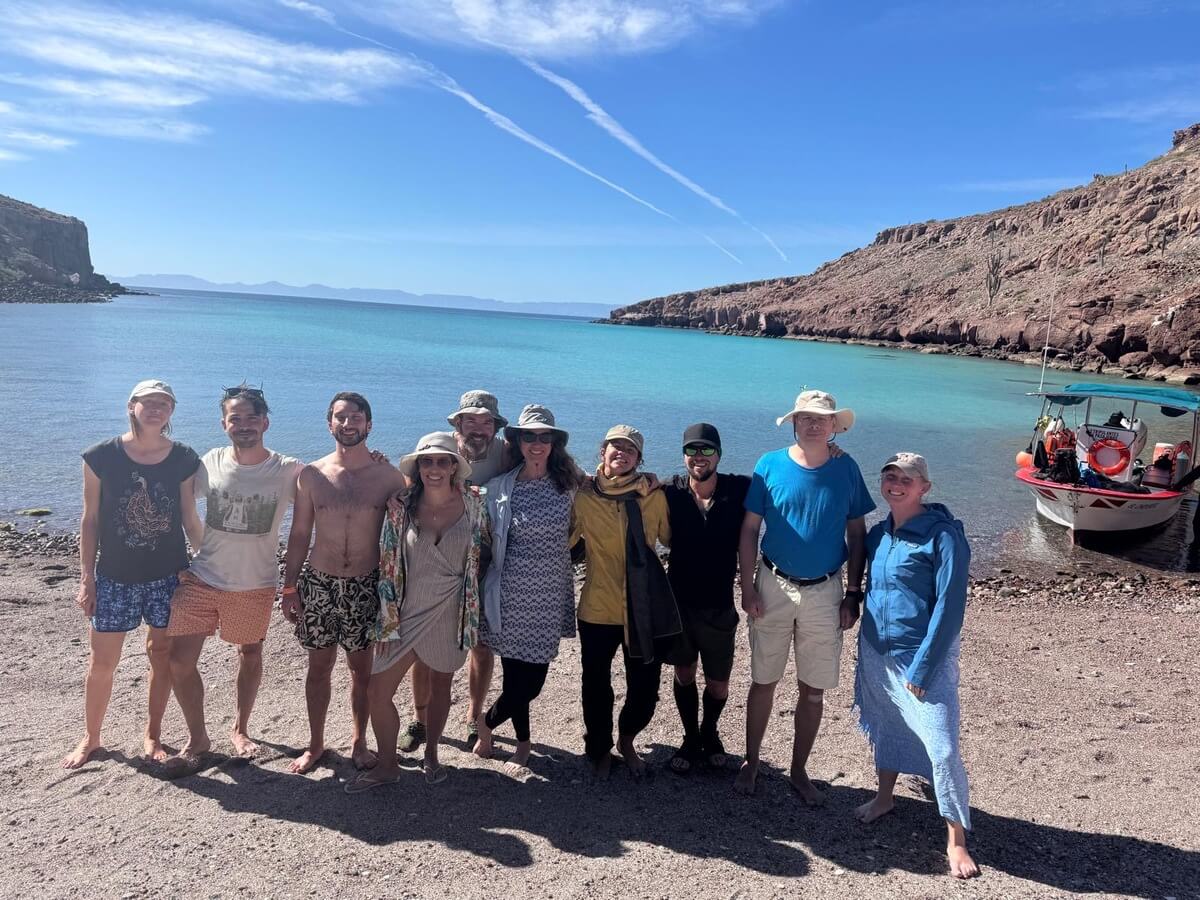
An incredible company dedicated to authentic, genuine, once in a lifetime experiences. I had the best week with them in Baja, looking whales in the eyes and singing songs around the campfire. The food was DELICIOUS and the group dynamic made the trip super enjoyable as I was coming alone! Will 100% be back! Thank you!
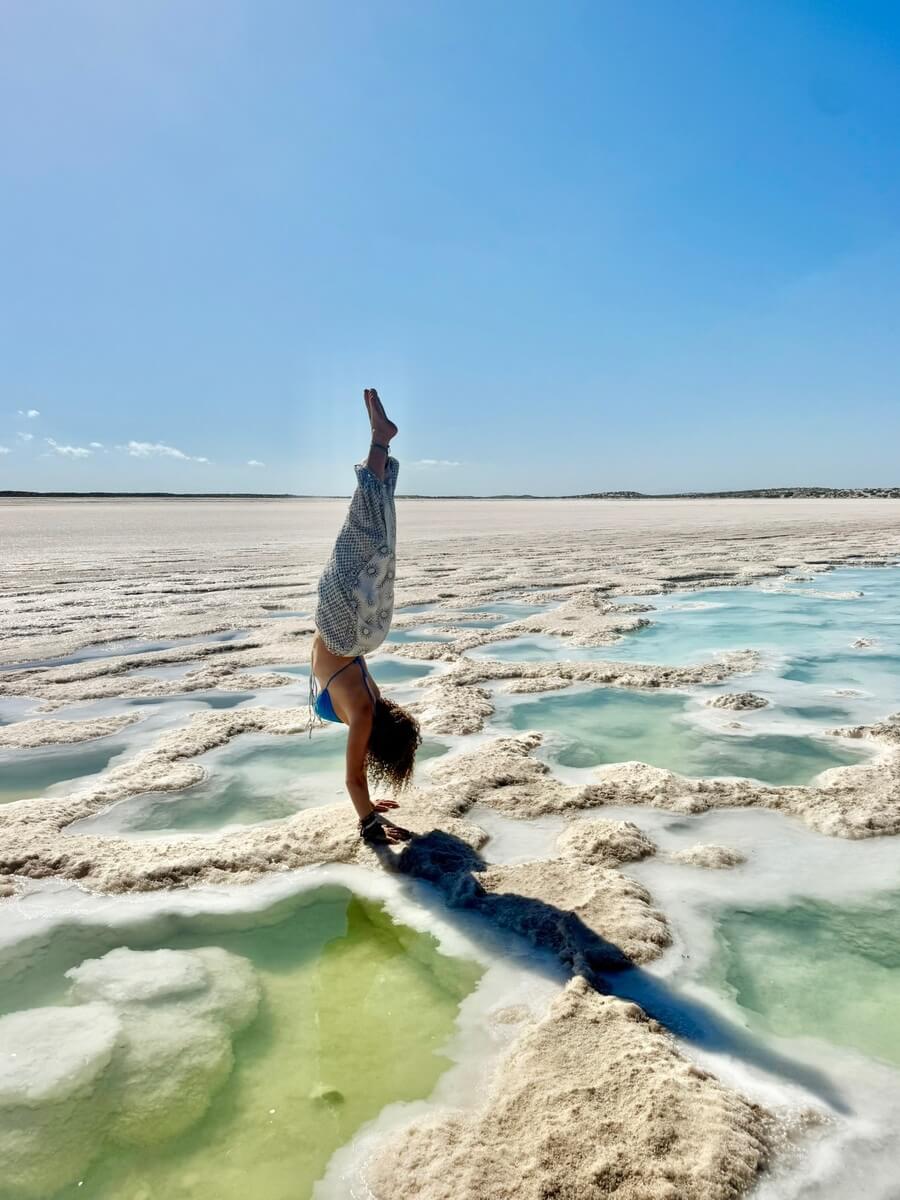
I did two tours back to back with Elsewheria and both were excellent.
Baja Grey Whale Expedition One of the best experiences of my life. Between physical contact with eschrichtius robustus in the Laguna Ojo de Liebre and the up to 40 whale and dolphin species in the sea of Cortes, the ultimate fix for the cetacean inclined person. All while being pampered by Will, Audy and her parents. Audy's mom is a professional Mexican chef and was cocking for us tirelessly. The event was rounded off by evenings at the bonfire, playing cards and singing songs.
Slow Living and Marine Retreat in Baja The "Slow Living" part was clearly a misnomer, as it was more of an action-packed adventure. Including, but not limited to: Humpback whales at Baja station, donkeys in the kitchen, snorkeling with whale sharks and diving with sea lions, which I was able to pet while they were playfully nibbling at my gear. Will Audy and her parents were working tirelessly to keep us happy.
I'm already booked onto my next trip with them for 2027
Baja Grey Whale Expedition One of the best experiences of my life. Between physical contact with eschrichtius robustus in the Laguna Ojo de Liebre and the up to 40 whale and dolphin species in the sea of Cortes, the ultimate fix for the cetacean inclined person. All while being pampered by Will, Audy and her parents. Audy's mom is a professional Mexican chef and was cocking for us tirelessly. The event was rounded off by evenings at the bonfire, playing cards and singing songs.
Slow Living and Marine Retreat in Baja The "Slow Living" part was clearly a misnomer, as it was more of an action-packed adventure. Including, but not limited to: Humpback whales at Baja station, donkeys in the kitchen, snorkeling with whale sharks and diving with sea lions, which I was able to pet while they were playfully nibbling at my gear. Will Audy and her parents were working tirelessly to keep us happy.
I'm already booked onto my next trip with them for 2027
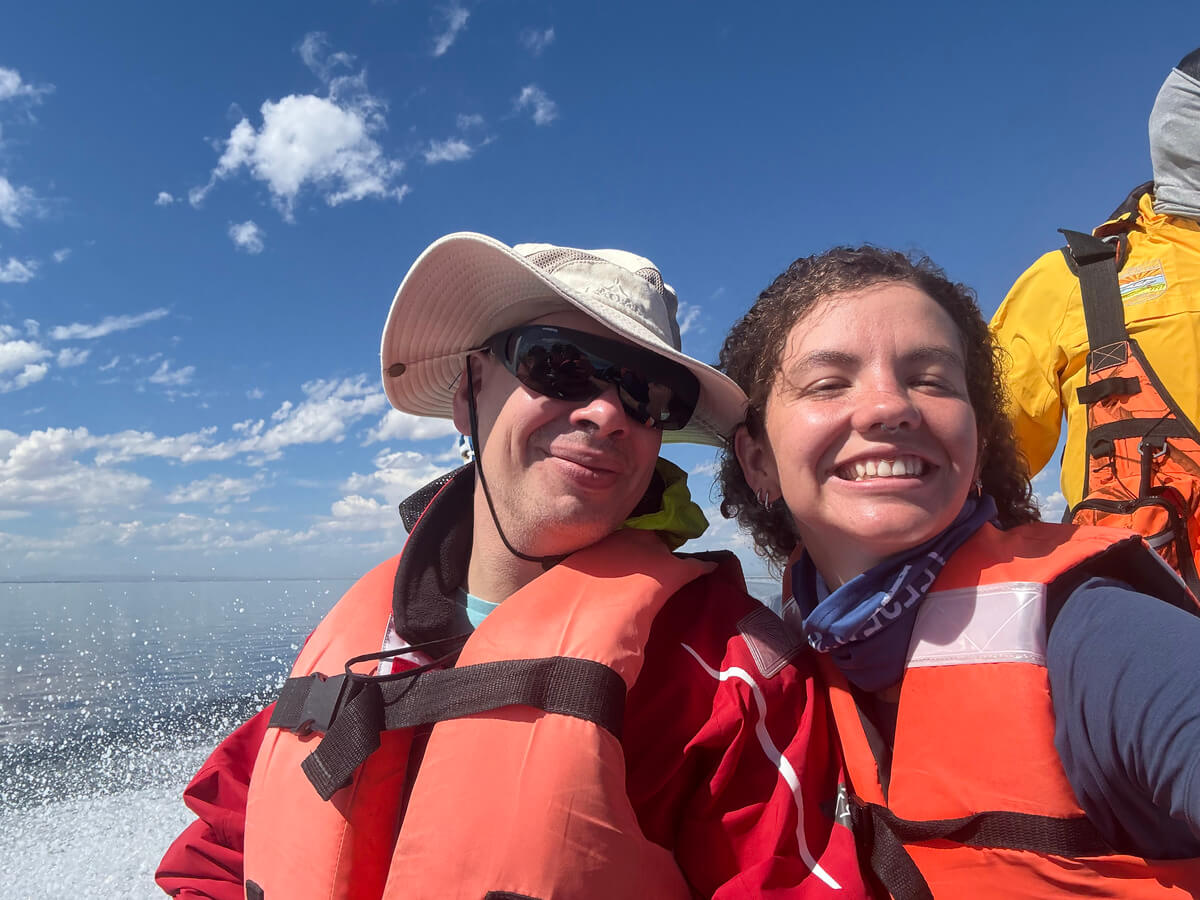
Sooooo glad we decided to book this trip!! I travel a lot and must say, I saw some must sees on this one!! Swimming with the sea loins was so epic. The whales were so incredible to watch. Just in awe.
The local Baja environment was so chill and easy. And the people were top notch!! The organizers treated us like family and were so generous with their time and resources. Already booked another trip with them!!
The local Baja environment was so chill and easy. And the people were top notch!! The organizers treated us like family and were so generous with their time and resources. Already booked another trip with them!!
My experience with Elsewheria was truly magical! From the very beginning, Will and Audy were incredibly friendly and welcoming guides. Everything felt effortless and uncomplicated, yet you could sense how much care and intention they put into every detail. They truly go the extra mile to ensure that everyone has a magical, once-in-a-lifetime experience. What makes them so special is their openness and warmth - they don’t just guide you, they make you feel like part of the family from day one.
And then there's Norma’s cooking -- absolutely out of this world! You eat like royalty every single day. Every meal was a highlight in itself. Swimming with the playful, curious sealions was a lifelong dream of mine, and thanks to Elsewheria, it became a reality. It’s a memory I will cherish forever.
I cannot recommend them highly enough.
And then there's Norma’s cooking -- absolutely out of this world! You eat like royalty every single day. Every meal was a highlight in itself. Swimming with the playful, curious sealions was a lifelong dream of mine, and thanks to Elsewheria, it became a reality. It’s a memory I will cherish forever.
I cannot recommend them highly enough.