
Is Pakistan safe to visit? The north of Pakistan, where we operate in Hunza and Gilgit-Baltistan, is a very different place from the Pakistan in the news. Parts of the country are genuinely dangerous and we do not go there. In the north, the biggest day-to-day risks are roads, altitude and weather rather than people.
Almost everyone who has come to Pakistan with us nearly didn’t. They read the government travel advice and got spooked, told their families where they were going and watched the reaction. Some booked, cancelled, and then booked again. Then they got to Hunza and spent the trip wondering why anyone had been worried.
That does not mean the worry was foolish. Pakistan has real security problems, and pretending otherwise would be dishonest. The useful question is not “is Pakistan safe?”, it is “is the part of Pakistan I’m going to safe, and who is looking after me while I’m there?”
I first went to Pakistan in 2015, when my government’s travel advice was one big red X across the whole country. I led my first expedition there in 2017 and have returned many times since. Here is our honest take on safety in Pakistan, to help you make your own decision.
Pakistan safety at a glance
- Where we go: Hunza and Gilgit-Baltistan in the far north, flying into Skardu from Islamabad.
- Where we do not go: most of Balochistan, parts of Khyber Pakhtunkhwa, the area near the Line of Control, and the Karakoram Highway stretch from Mansehra to Chilas.
- Biggest real risks in the north: roads and landslides, altitude, weather, and distance from a hospital.
- When we travel: May and October, either side of the monsoon.
- What you need: insurance covering adventure activities, motorbiking if you ride, and helicopter evacuation.
- Last updated: November 2026.
In this guide
The short answer: is Pakistan safe?
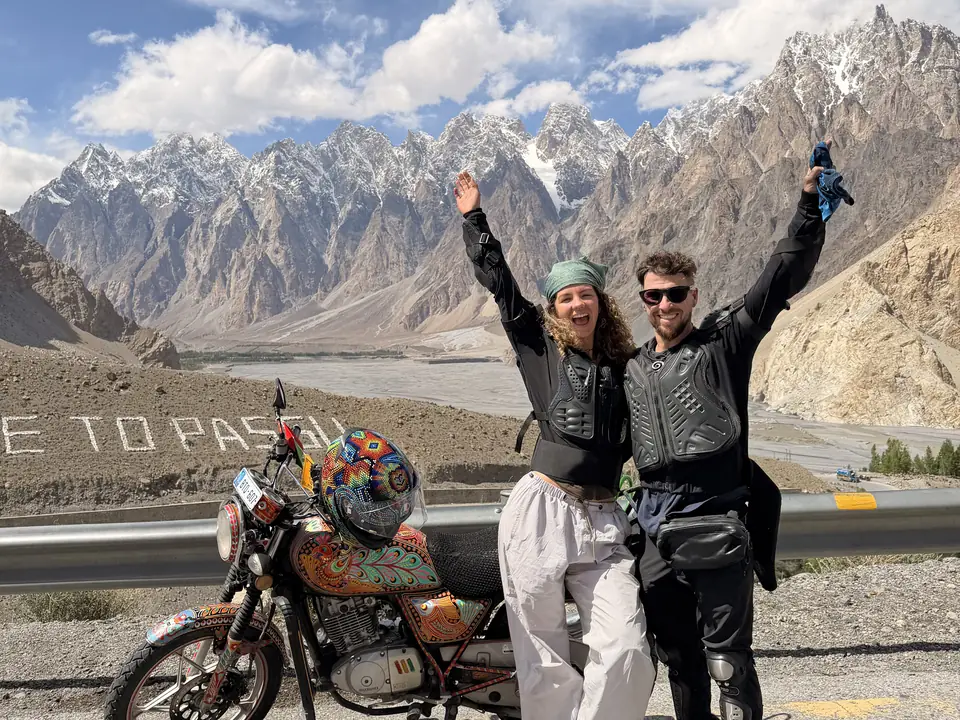
The north, where we operate, is a different place from the Pakistan in the news. Gilgit-Baltistan, and Hunza in particular, is where most foreign visitors go, and its security record looks nothing like the regions that make the headlines. The government is very keen to grow tourism and goes out of its way to protect visitors, and local people are protective of their guests.
Parts of the country are genuinely dangerous, and we do not go there. Most of Balochistan, parts of Khyber Pakhtunkhwa, and the area near the Line of Control with India are off-limits for us, and we do not recommend travelling there independently either.
The biggest risks in the north are the mountains, not people. Roads, landslides, altitude, weather and how far you are from a hospital are all real, and a big part of our planning goes into reducing these risks and being ready if anything does go wrong.
What do governments say about travel to Pakistan?
Read the official advice yourself before you book. This is where it stood when we wrote this in November 2026. Government advice changes often, so please check each official website below for the most up to date information.
UK Foreign Office advice
The UK Foreign Office advises against all travel to Balochistan, to much of Khyber Pakhtunkhwa, and to within 10 miles of the Line of Control. Its guidance for the north, including Gilgit-Baltistan and the Karakoram Highway, has been revised more than once, and it warns about road closures, landslides and flights being cancelled at short notice. Read the current wording rather than relying on any summary, including this one.
Check the latest advice on the UK Foreign Office Pakistan travel advice page for up to date information.
US State Department advice
The US rates Pakistan as a whole at Level 3: reconsider travel, with higher levels for some areas. It is one rating for a country of roughly 250 million people, so in our opinion it does not describe the situation in Gilgit-Baltistan very precisely.
Check the latest advice on the US State Department Pakistan travel advisory for up to date information.
Australian Government advice
Australia advises travellers to “reconsider your need to travel” overall, with higher levels for border areas, and recommends flying into Gilgit-Baltistan rather than driving in.
Check the latest advice on the Australian Smartraveller Pakistan page for up to date information.
National ratings are a blunt tool. A country-wide warning puts Hunza, a valley of farming villages and apricot orchards, in the same category as the Afghan border. That is not a criticism of the people who write them. They have to cover everyone, including people who will wander off to places nobody should go. It is a reason to read the regional detail, not just the colour on the map.
Where does the violence in Pakistan actually happen?
Pakistan’s security problem is real, and it got worse in 2025. The Pakistan Institute for Peace Studies counted 699 militant attacks across the country that year, up 34% on 2024. Where those attacks happened is the part that matters to you.
| Region | Attacks |
|---|---|
| Khyber Pakhtunkhwa | 413 |
| Balochistan | 254 |
| Punjab | 7 |
| Gilgit-Baltistan | 3 |
| Hunza | 0 |
Source: Pakistan Institute for Peace Studies, 2025 figures.
Khyber Pakhtunkhwa and Balochistan account for more than 95% of the total. Gilgit-Baltistan had three attacks (two in Diamer district and one in Gilgit, all targeting security forces), and we are not going to pretend three is zero. Diamer, around Chilas and the lower Karakoram Highway, is the part of the region we treat with the most caution. It is the reason we do not drive up from Islamabad at all. Hunza recorded zero attacks.
The risks people don’t ask about
Guests ask about terrorism. They rarely ask about the risks that are far more real in Hunza.
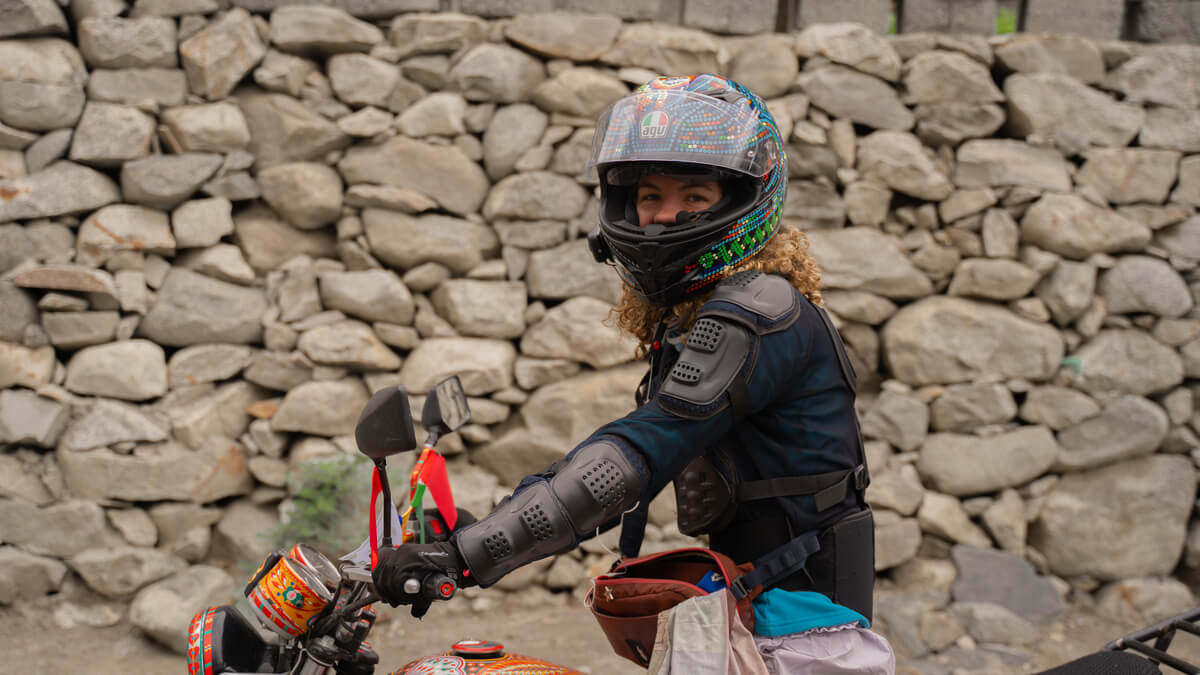
Roads. The Karakoram Highway is cut into the side of unstable mountains. Rockfall and landslides close sections regularly, especially in and after rain, and local driving can be fast and furious. This is the biggest day-to-day risk on any trip in the north, and on a motorbike trip it is the thing we think about most. There is not much traffic on the parts of the highway we use, but that can change. We have experienced road closures and landslides first hand (I once got hit on the head by a rock, and my helmet saved me), which is why we operate in May and October, when road conditions are at their best.
Altitude. Much of the north sits above 2,500 m, and the Khunjerab Pass on the Chinese border is about 4,700 m. Going up too fast can lead to altitude sickness, although in our experience anything below 5,000 m rarely brings strong symptoms.
Weather and water. Monsoon rain, flash floods and glacial lake outburst floods hit Gilgit-Baltistan in summer. That is why our departures run in May and October, either side of the worst of it.
Distance from help. If something goes wrong in the mountains, a hospital can be a long drive or a helicopter away, and flights out of the north get cancelled when the weather closes in. Evacuation can take time. You need insurance that will cover a military helicopter should that be the only option.
Food and water. Most stomach problems come from tap water and food left sitting out. Unpleasant, rarely serious, and mostly avoidable.
None of these is a reason not to go. All of them are reasons to go with people who know the ground well and have backup plans in place.
Is Pakistan safe for women?
This is the question we get most, and the honest answer depends on where you are and how you are acting.
In Hunza, women travelling with us are, in our experience, more comfortable than they expected to be. The culture is noticeably more relaxed, women run shops and businesses, and foreign women do not attract much hassle. You will not need to wear a hijab unless you want to.
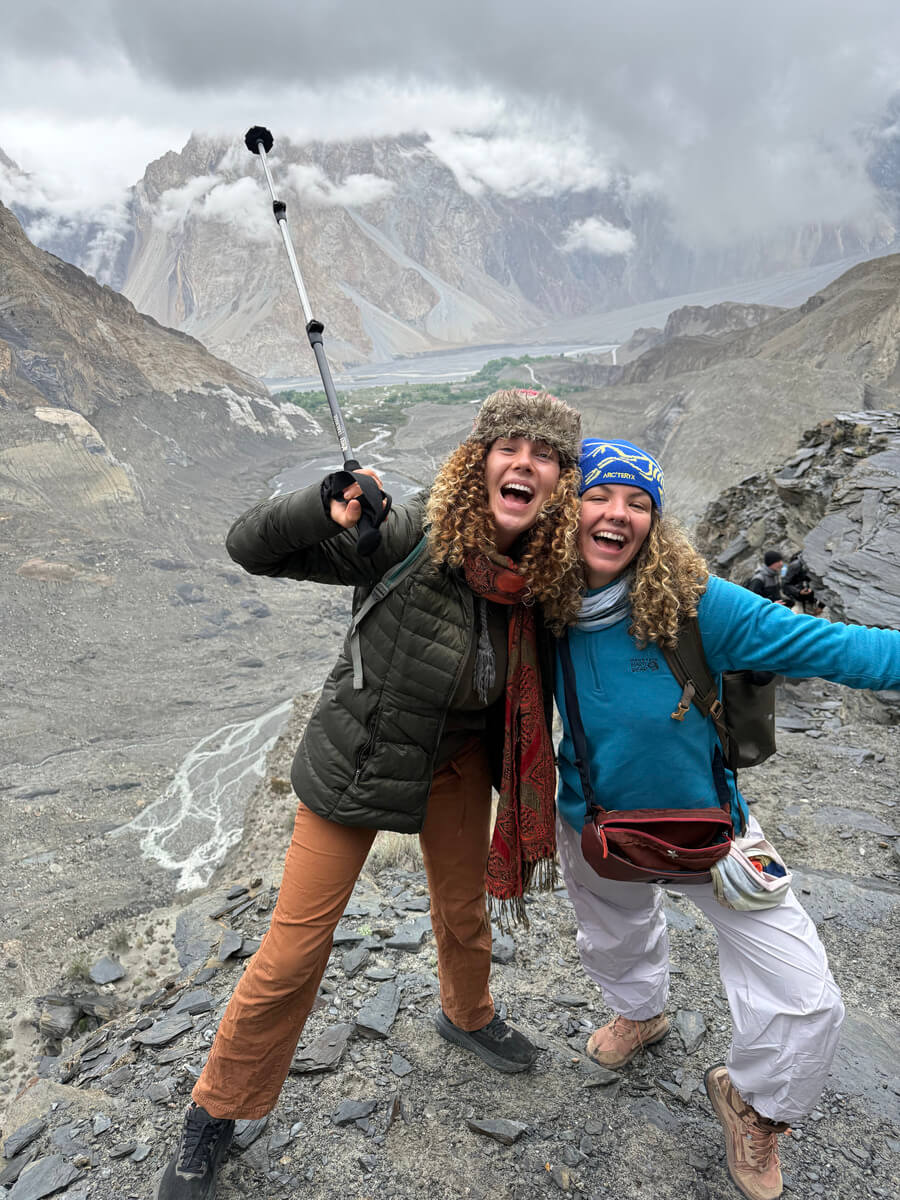
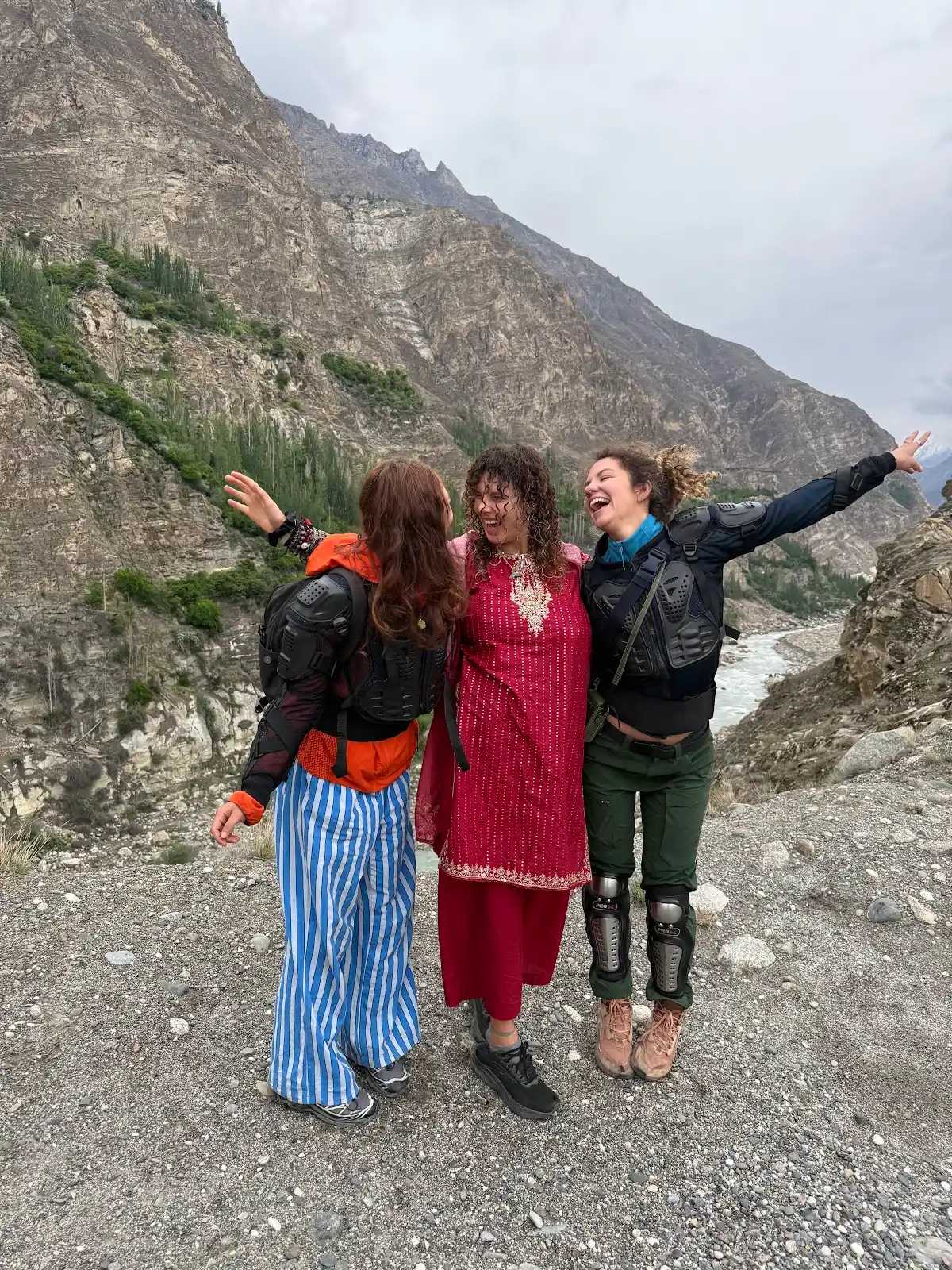
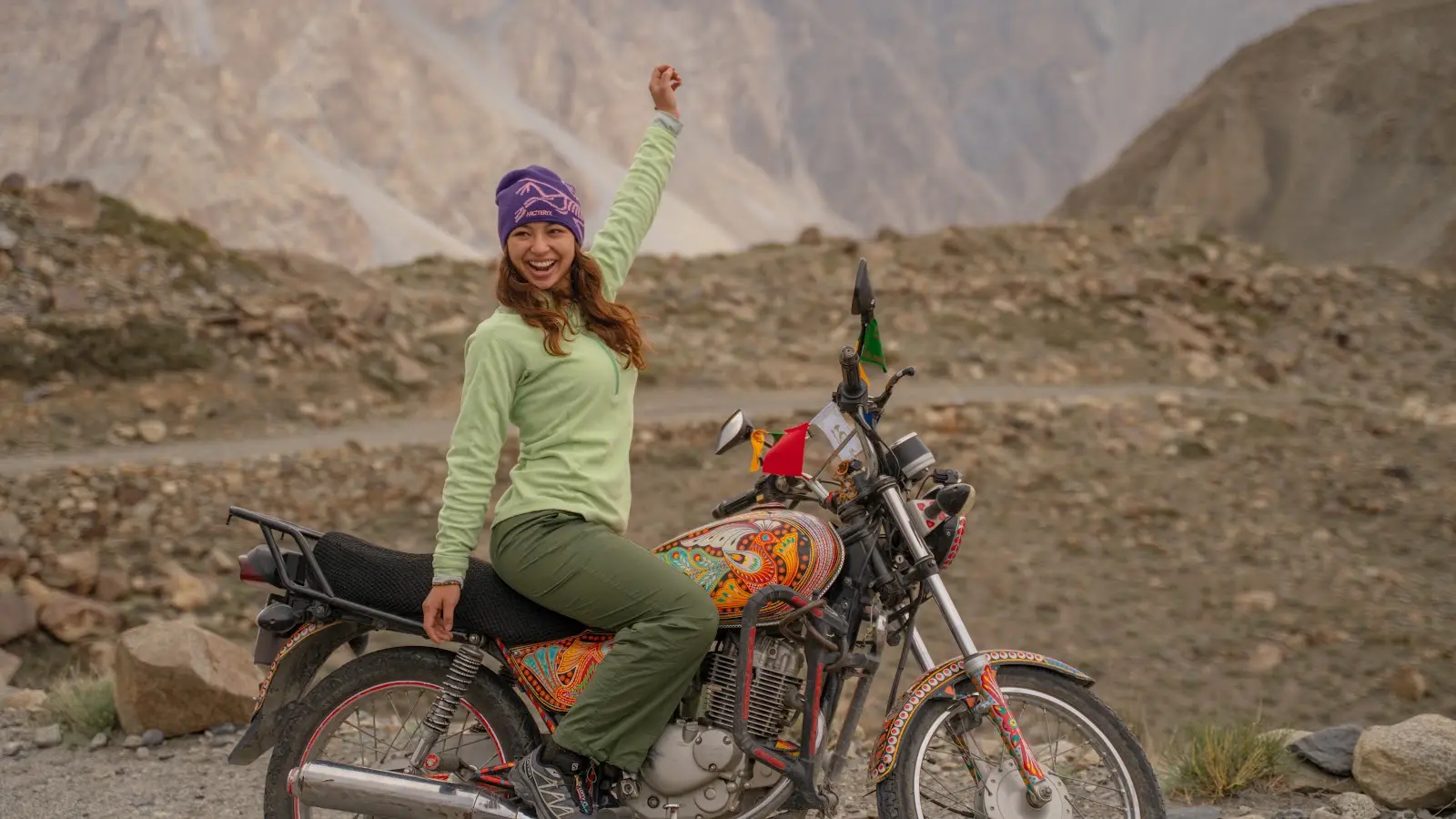
The big cities are different. Staring is common, and unwanted attention happens. Dressing conservatively, with your shoulders and legs covered and a scarf to hand, makes a real difference to how you are treated, and people notice it as a sign of respect. Do not give your phone number to men you do not know. Harassment by text is a more realistic problem than anything violent.
Most of our Pakistan departures are co-led by Samantha, an American who found love in the mountains of Pakistan and speaks the language (several of them, actually) fluently. Samantha is a friendly and experienced face on the trip if you want to talk anything through.
Who leads your trip?
On a trip like this, who is in charge matters more than anything else on the page. Every departure is led by me or by Max Clark, with our local guide Fareed Sultan alongside us on every trip.
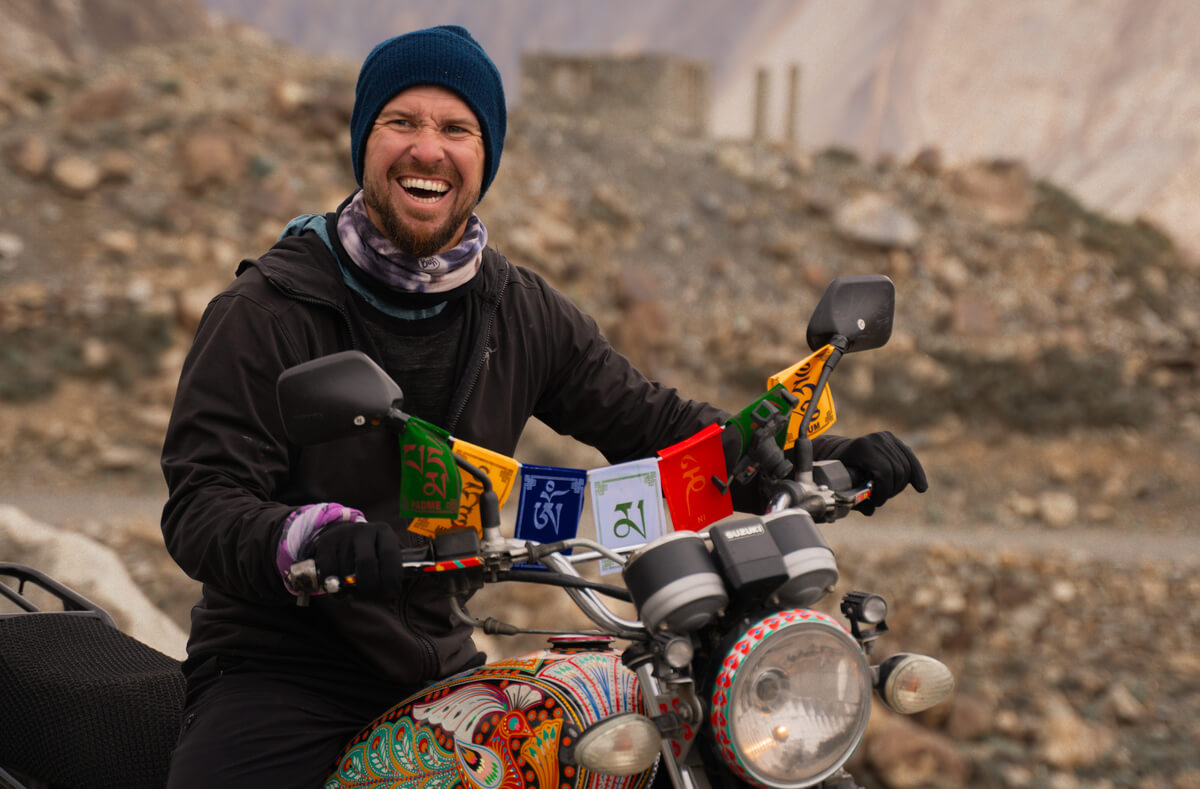
Will Hatton
Co-founder and expedition lead, with 11 years of experience in Pakistan and 17 in the expedition space.
I have been on the road since I was nineteen and have travelled to more than a hundred countries. I started out as the OG Broke Backpacker, and have led small groups into remote corners of the world since 2011.
I first went to Pakistan in 2015, when almost everyone told me not to, and led my first expedition there in 2017. I have been back many times since, and I still lead many of our departures myself. I am based in Bali.
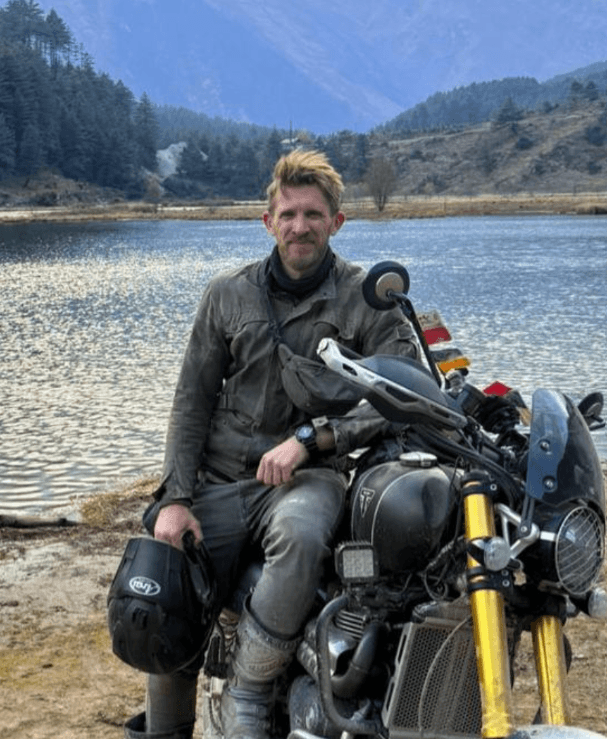
Max Clark
Max is a former British Army major who served 14 years, including Commando and Parachute qualifications. He now works in security risk management, expedition leadership and wilderness travel. Since 2024 he has been riding a Triumph Scrambler 1200 around the world: more than 80,000 km across 30+ countries, including the Pamir Highway, Afghanistan and Pakistan, plus a climb of Lobuche East (6,119 m) in Nepal. Assessing risk in remote places is literally his job, and Pakistan is one of his favourite countries.
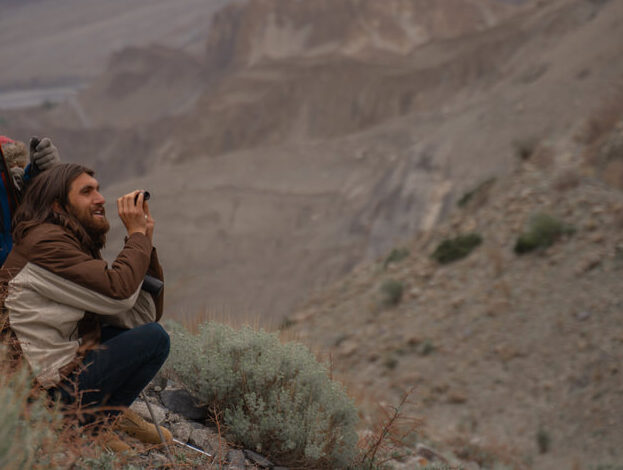
Fareed Sultan
Fareed grew up in Hunza, with family roots reaching into the Patundas region, and has spent years guiding trekkers and riders through the valleys, glaciers and high passes of Gilgit-Baltistan.
He has lived and worked in these mountains for most of his life, and there is barely a village, shepherd’s trail or back route he has not walked or driven. When a road washes out or the weather turns, he usually knows about it before it reaches any news site, and he knows the way around it.
He is passionate about looking after guests, whether that means finding the best route around a closed road or simply making sure everyone is fed, warm and laughing by the fire. Fareed and I first met in 2020 and have been amigos ever since.
How do we keep you safe in Pakistan?
Most of what keeps a Pakistan trip safe happens before you land. Here is how our Pakistan Mountain Motorbiking Adventure is set up.

- We fly in and out of Skardu. Most Pakistan tours, especially budget ones, start in Islamabad and spend two long days driving north, either up the Karakoram Highway through the Mansehra to Chilas stretch we avoid, or over the Babusar Pass down into Chilas. Both routes run through Diamer and are long, uncomfortable and technically the most dangerous stretch. We skip them completely. You arrive in Islamabad (a generally very safe city, and the bizarre winner of ‘greenest capital city in the world’, thanks to its parks) and catch a domestic flight to Skardu, where the trip officially begins and ends.
- We travel by private 4×4, not minibus. Drivers we know and trust, rather than long days crammed into a van.
- We only go where we know. We have been visiting the same Hunza villages and the same families for over a decade. We move around a fair bit, but we aim for several days in one place wherever possible.
- We work with local people, not just local contractors. Every guesthouse, homestay and restaurant we use is Hunza-owned. Most tour companies are Punjabi-run and simply do not have the same local knowledge or contacts as our indigenous partners.
- We handle the paperwork. Foreigners in Gilgit-Baltistan have to register with local authorities, and some areas need permits. We sort it out so you are not standing at a checkpoint explaining yourself.
- The motorbike part has proper support. The bikes are 150cc, which are forgiving on mountain roads. A mechanic travels with the group, and two support vehicles carry the bags and anyone who would rather not ride a section. Groups are capped at 8 bikes. One remote section is for intermediate riders and above, and we will tell you honestly before you book if we do not think it suits you. We do not ride at night.
- We will change the plan. If a road is closed, the weather turns or there is local trouble, the itinerary changes. Some days that means a lost day. That is the trade.
- We insist on proper insurance. Your policy needs to cover adventure activities, motorbiking if you are riding, and helicopter evacuation from the mountains. If it does not, we will ask you to change it.
Things nobody tells you before you go
- Cash is king. Plenty of ATMs will not take a foreign card, and card payment is rare in the mountains. Bring more cash than you think you need.
- You will hand over your passport a lot. Checkpoints are routine. We make it as smooth as possible.
- The power goes off. Electricity in Hunza can be patchy, so bring a decent power bank.
- Police escorts happen, mostly elsewhere. In some parts of the country the authorities assign an escort to foreigners to keep you out of trouble. In Hunza you will rarely notice the police at all.
- Do not drink the tap water. We highly recommend bringing a filtered water bottle.
- Hunza is not the Pakistan you are picturing. It is culturally and religiously distinct from the rest of the country and noticeably more relaxed.
Pakistan safety: quick answers
Is Hunza safe for tourists?
Hunza is the part of Pakistan where most foreign visitors go, and its security record looks nothing like the regions that make the headlines. The Pakistan Institute for Peace Studies recorded zero militant attacks in Hunza in 2025. The realistic risks there are roads, altitude and weather, which good planning and local knowledge manage.
Is it safe to ride the Karakoram Highway?
The northern sections we ride are spectacular and demanding. Landslides, potholes, livestock and local traffic are the hazards. We do not ride the southern section between Mansehra and Chilas, and we never ride at night.
Is Islamabad safe?
Islamabad is generally a very safe city and, somewhat bizarrely, one of the greenest capitals in the world thanks to its many parks. It is where our guests arrive, before taking a domestic flight to Skardu where the trip begins.
When is the safest time to visit northern Pakistan?
We run our departures in May and October because road conditions are at their best and it is either side of the monsoon season, when rain, flash floods and glacial lake outburst floods affect Gilgit-Baltistan.
What about tension with India?
Flare-ups happen, and they are concentrated around the Line of Control and the border. Hunza is a long way from both. We watch the situation closely, and if it ever affected our area we would move or postpone the trip.
What if the travel advice changes after I book?
Then we will talk to you. We will not run a trip into an area our own judgement says is unsafe, whatever the deposit situation.
Do I need special travel insurance for Pakistan?
Yes. Your policy needs to cover adventure activities, motorbiking if you are riding, and helicopter evacuation from the mountains. If it does not, we will ask you to change it.
So, is Pakistan safe?
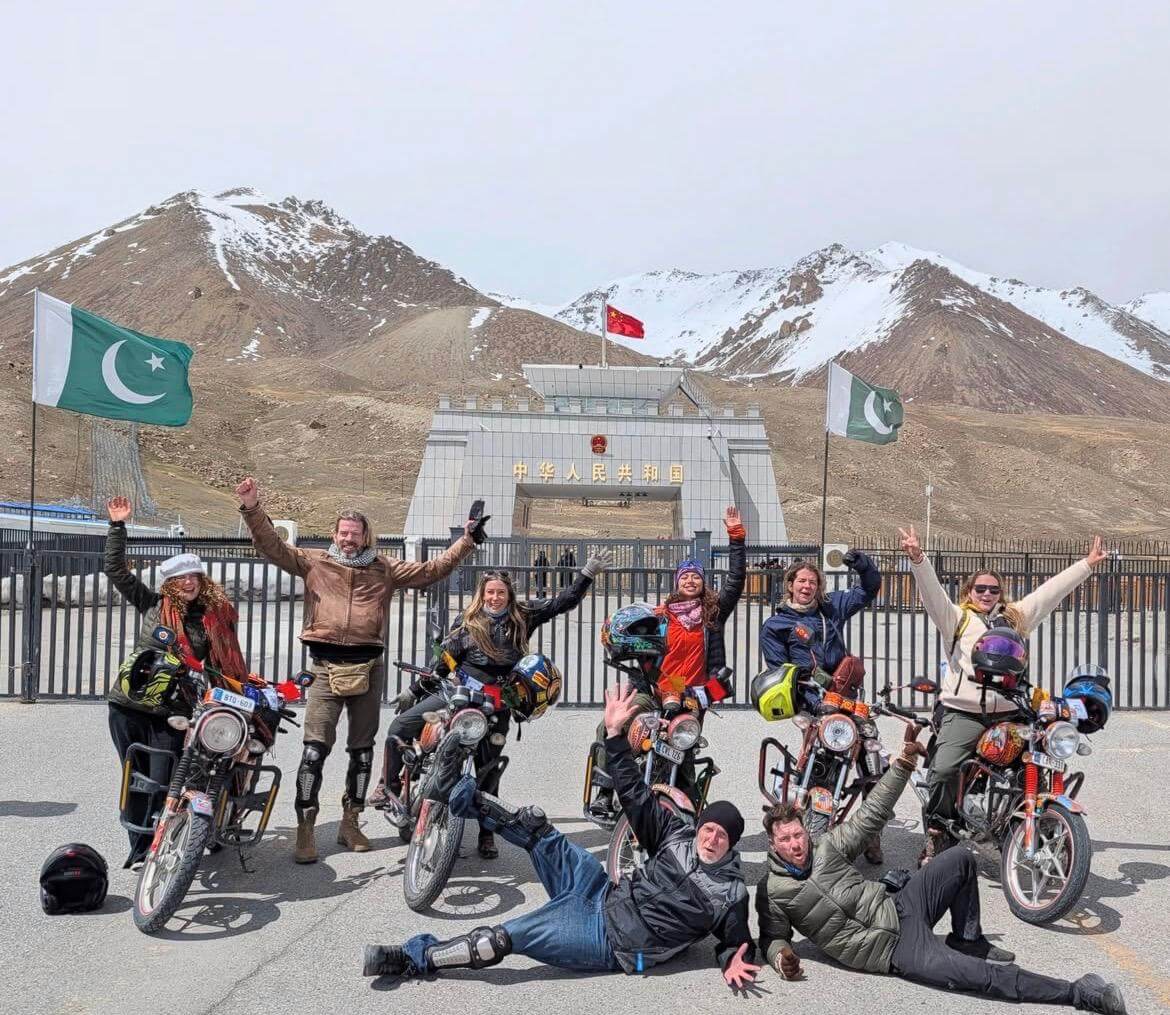
Pakistan as a whole has security problems that are real and, in some regions, getting worse. The north is a different story. In Hunza the realistic risks are roads, mountains and weather, and those are managed by planning, local knowledge, and a team led by people who will change the plan when it needs changing.
I went to Pakistan in 2015 against the advice of almost everyone I knew. Across around 100 countries, it is the place where strangers have been kindest to me and where, bizarrely, I have felt the most at home. It is a great privilege to help open up Pakistan to the benefits of tourism while guiding people around one of our favourite countries. We hope you will join us for the ride.
Will has been on the road since the age of nineteen and has travelled to more than a hundred countries. Known as the OG Broke Backpacker, he has documented his adventures for nearly twenty years and has led small groups into remote corners of the world since 2011.
He first travelled to Pakistan in 2015 and has returned many times since. His years of friendships across Hunza and the Karakoram are why we can run a trip so connected to local people and grounded in culture.